Black Tea vs Black Coffee: Caffeine, Benefits, Differences
Black tea vs black coffee compared: caffeine content, how each affects your body, and which one might suit your goals better.
In this guide · 5 sections
Black coffee has more caffeine and a faster, stronger stimulant effect, while black tea delivers a gentler, longer-lasting lift thanks to its tannins. Neither is objectively "healthier" — the right choice depends on how sensitive you are to caffeine and what you want from your cup.
Black Tea vs Black Coffee: Key Differences
The clearest difference is caffeine content. A cup of black tea has roughly 40–70 mg of caffeine, while a cup of black coffee has about 95–200 mg, depending on brew strength and cup size. Our full chart of caffeine in tea shows where other teas land.
Tea's caffeine is absorbed more slowly because of the tannins it contains, so the effects tend to build and fade more gradually. Coffee's caffeine is absorbed faster, which is why it can feel like a quicker, more intense jolt — and why it's more likely to cause jitters or a crash in sensitive people.
Both drinks are linked in observational research to a lower risk of certain chronic conditions, including cardiovascular disease, though this kind of study doesn't prove cause and effect. Black tea's catechins and coffee's own antioxidant compounds are both thought to play a role.
Health Benefits Compared
Both beverages are backed by research suggesting associations with a lower risk of heart disease and type 2 diabetes, though much of this evidence comes from population studies rather than controlled trials, so it shows correlation more than proof of cause.
A few practical differences:
- If you want to cut back on caffeine: black tea is a reasonable step down from coffee rather than quitting caffeine cold turkey.
- If you want a bigger energy boost: coffee's higher caffeine content makes it more effective for that purpose.
- If you're watching calories: both are calorie-free on their own; what you add (milk, cream, sugar) makes the bigger difference. Tea drinkers tend to add less than coffee drinkers, on average.
- Antioxidants: both contain beneficial plant compounds, though the specific types differ — tea is rich in catechins and theaflavins, coffee in chlorogenic acids.
Side Effects and Precautions
- Both contain caffeine; too much can cause anxiety, insomnia, a fast heart rate or digestive upset. Pay attention to your personal tolerance.
- If you have a heart condition, anxiety disorder, or are pregnant, talk to your doctor about a safe daily caffeine limit across all sources, including tea and coffee.
- Coffee's stronger acidity can bother some people's stomachs more than tea; if that's an issue for you, black tea may be the more comfortable option.
FAQ
Which has more caffeine, black tea or coffee?
Coffee does — typically around 95–200 mg per cup versus 40–70 mg for black tea.
Is black tea a good coffee substitute?
Yes, especially if you want to reduce your caffeine intake gradually rather than stopping all at once.
Is black tea or coffee better for weight loss?
Neither directly causes weight loss, but some people find tea's gentler caffeine effect and lower acidity easier to build into a routine alongside diet and exercise.
The Bottom Line
Black tea and black coffee both offer real benefits and both come with the normal caffeine trade-offs. Choose coffee when you want a stronger, faster boost, and black tea when you want something gentler that's easier on your stomach and your sleep.
Related reading: Black Tea vs Green Tea: Difference, Taste, Health, Caffeine, How to Make Green Tea, Is Green Tea a Diuretic?
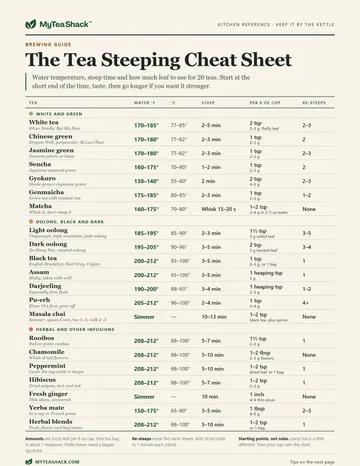
Free printable
The Tea Steeping Cheat Sheet
Water temperature, steep time and how much leaf to use for 20 teas, from sencha to rooibos, on one printable page. Plus five fixes for a bitter cup.