The Beauty of Blending Teas: A Simple Guide
Learn how to blend teas at home, the classic tea blend combinations, and simple steps to create your own custom mix.
In this guide · 7 sections
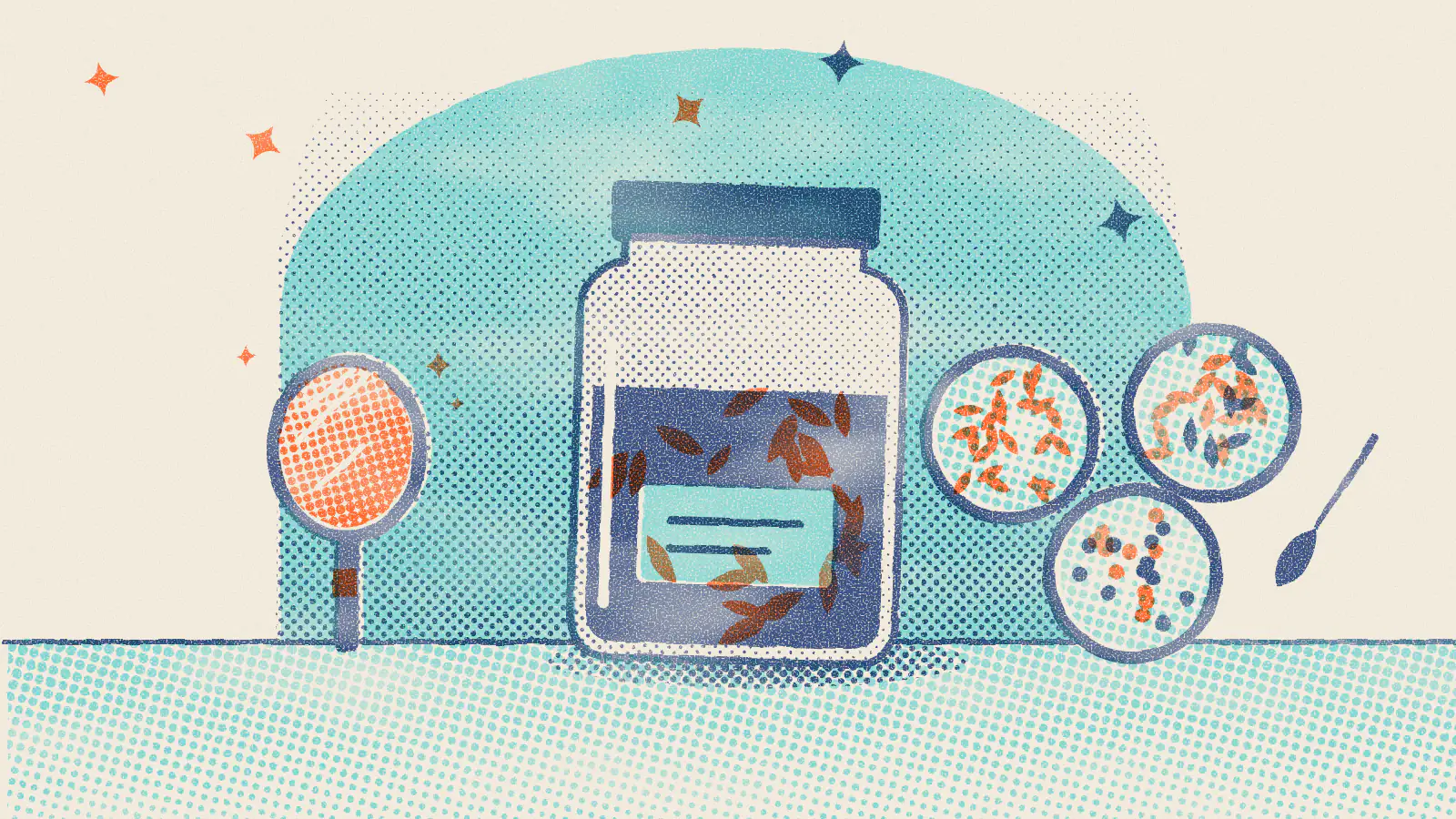
Blending teas means mixing two or more types together to create a new flavor, and it's an easy, low-cost way to make your tea collection go further and taste exactly the way you like it.
What Is Tea Blending?
Tea blending is simply combining different teas, whether loose-leaf or bagged, to produce a new flavor profile. You can follow classic combinations or experiment with your own mix based on teas you already enjoy.
Why Blend Your Own Tea
Buying only one type of tea means you'll go through it quickly and may get tired of the same flavor. Blending lets you stretch a smaller amount of a pricier tea by combining it with something milder, so you save money while still enjoying complex, varied flavors.
Classic Tea Blend Combinations
| Blend | Result |
|---|---|
| Black & White | Robust, black-tea-forward flavor with a very light white tea undertone |
| Black & Green | Mostly black tea character with subtle green tea notes |
| Black & Oolong | Dark, full-bodied black tea with an oolong undertone |
| White & Green | Light, delicate flavor led by white tea with a touch of green |
| White & Oolong | Light-bodied white tea with a mild oolong influence |
| Green & Oolong | Robust green tea flavor with an oolong touch |
How to Blend Teas
- Choose two or more teas whose flavors you want to combine — start with a ratio like 3:1 if one tea is much stronger than the other.
- Combine them in a bowl or airtight container and mix gently by hand or with a spoon; avoid a blender, since it can shred the leaves instead of just mixing them.
- Let the blend sit for a day or two in a sealed container so the flavors meld.
- Strain out any fine particles before brewing, then steep as you normally would for the dominant tea type.
Tips for a Better Blend
- Match strengths, not just flavors. Pairing a strong black tea with a delicate white tea usually means the black tea will dominate unless you use much less of it.
- Add dried fruit or flowers in small amounts. A tablespoon of dried hibiscus, rose petals, or citrus peel per cup of tea leaves goes a long way and won't overpower the base tea.
- Store blends properly. Keep finished blends in an airtight, opaque container away from heat and light, and use them within a few months for the best flavor.
- Label your batches. Note the ratio and ingredients you used so you can recreate — or adjust — a blend you liked.
FAQ
Can I blend different types of tea together?
Yes — blending teas from different categories (black, green, white, oolong) is common and is how many popular commercial blends are made.
What's the best ratio for blending tea?
There's no universal rule; start with a small batch at a 3:1 or 1:1 ratio, taste, and adjust from there based on how strong you want the milder tea's influence to be.
Do I need special equipment to blend tea?
No — a bowl, a spoon, and an airtight container to store the finished blend are all you need.
The Bottom Line
Blending teas is a simple, inexpensive way to create a flavor you can't buy off the shelf, and it's forgiving enough to experiment with using teas you already have on hand. For blend ideas using flowers, try wild berry hibiscus tea, or see our other DIY guide to making tea blends.
Free printable
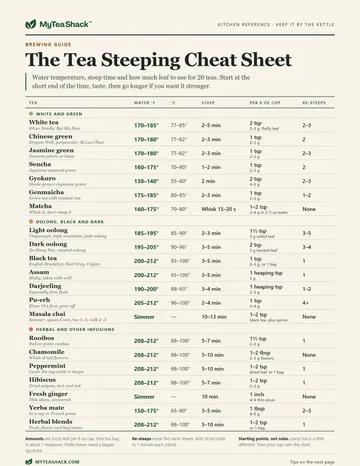
The Tea Steeping Cheat Sheet
Water temperature, steep time and how much leaf to use for 20 teas, from sencha to rooibos, on one printable page. Plus five fixes for a bitter cup.