Is Drinking Green Tea on an Empty Stomach Good for You?
Learn the pros and cons of drinking green tea on an empty stomach, who should avoid it, and tips to prevent stomach upset.
In this guide · 6 sections
Drinking green tea first thing in the morning is a popular habit, but doing it on an empty stomach isn't right for everyone. Here's what it can do for you, and when it's better to wait until after breakfast.
What Happens When You Drink Green Tea on an Empty Stomach
Green tea is rich in catechins and caffeine, both associated with a modest, temporary boost to metabolism. On an empty stomach, these compounds are absorbed faster, which is why some people feel more alert soon after their first cup. However, this faster absorption is also why an empty stomach makes green tea more likely to cause nausea or discomfort for some people (more on that below).
Potential Benefits
May Support Weight Management
Green tea's combination of caffeine and catechins is linked to a small increase in calorie burning. It works best alongside a balanced, moderate-calorie diet rather than as a stand-alone strategy.
Rich in Antioxidants
Green tea is one of the richest common sources of antioxidants, including EGCG, which may help protect cells from oxidative stress. Green tea is not a substitute for sunscreen or a treatment for skin damage.
May Support Bone Health
Green tea contains small amounts of easily absorbed calcium and other compounds studied for a possible link to bone density, though this research is preliminary.
May Help With Alertness and Focus
The combination of caffeine and L-theanine in green tea is associated with calm, sustained alertness, which is why many people prefer it to coffee for focus during work or exercise.
Contains Coenzyme Q10
Green tea contains small amounts of Coenzyme Q10, a compound involved in cellular energy production that's also studied for heart health, though tea is a minor dietary source compared to supplements.
Who Should Be Careful
Drinking tea on an empty stomach increases the concentration of tannins and caffeine your stomach lining is exposed to, which can cause nausea, stomach pain or acid reflux in sensitive people. If this happens to you, try having a small snack first, or wait until after breakfast.
Side Effects and Precautions
- Green tea contains caffeine, which can cause jitteriness, a fast heartbeat or trouble sleeping if you're sensitive or drink it late in the day.
- Green tea contains tannins that can reduce iron and folic acid absorption, so pregnant women and anyone with iron-deficiency anemia should space it away from meals and iron supplements, and check with a doctor about how much is appropriate.
- Liver injury has been reported in rare cases, mainly with concentrated green tea extract supplements (tablets or capsules) rather than brewed tea, according to NCCIH — stick to brewed tea in moderate amounts.
- If you have acid reflux or a sensitive stomach, avoid it first thing in the morning without food.
FAQ
Is it bad to drink green tea on an empty stomach?
Not for most people in moderate amounts, but it can cause nausea or stomach discomfort in those with a sensitive stomach or acid reflux. If that's you, drink it with or after food instead.
How much green tea can I drink a day?
Most guidelines suggest 2–3 cups a day is a reasonable amount for healthy adults; more than that increases the chance of caffeine-related side effects.
Does green tea on an empty stomach help you lose weight faster?
It may offer a very small metabolic edge, but the effect is modest and depends far more on your overall diet and activity level.
The Bottom Line
Green tea on an empty stomach can be a good way to start the day for many people, offering antioxidants, gentle alertness and a small metabolic boost. If it upsets your stomach, simply move it to after breakfast — the benefits hold either way.
For more on getting the most from green tea, see our guides on green tea side effects, whether green tea is a fat burner, how many cups of tea per day and green tea detox.
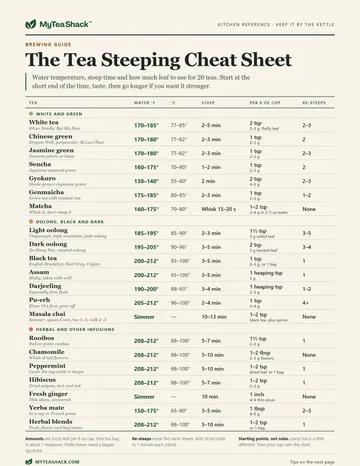
Free printable
The Tea Steeping Cheat Sheet
Water temperature, steep time and how much leaf to use for 20 teas, from sencha to rooibos, on one printable page. Plus five fixes for a bitter cup.