Which Tea Helps Digestion? 4 Best Teas for Gut Health
Find out which teas may support digestion, from black tea to oolong, plus tips for drinking them and who should be cautious.
In this guide · 6 sections
Several teas may support healthy digestion, and black tea is one of the most studied. Here's what digestion actually involves, which teas may help, and how to drink them for the best effect.
What Is Digestion, and Why Does It Matter?
Digestion is how your body breaks down food into the energy and nutrients it needs. Your mouth, stomach, small and large intestines, and liver all play a role: your mouth and stomach break food down, your intestines absorb nutrients, and your liver stores nutrients and filters out waste.
When digestion works well, food moves through your system efficiently, you're less likely to deal with bloating or irregularity, and your body can properly absorb the nutrients it needs.
Best Teas for Digestion
Black Tea
Black tea is rich in polyphenols and antioxidants, compounds that help protect cells from damage caused by free radicals. Black tea leaves are fully fermented (oxidized), and some research suggests fermented teas may support digestion and metabolism partly through how gut bacteria interact with their polyphenols, though more human research is needed before drawing firm conclusions.
Matcha Tea
Matcha is a powdered form of green tea, packed with antioxidants and caffeine that may support metabolism. It's also a source of L-theanine, an amino acid associated with improved focus and a calmer form of alertness than coffee typically provides. Because you consume the whole leaf in powder form, matcha delivers a concentrated dose of green tea's compounds.
Oolong Tea
Oolong is partially fermented, landing between green and black tea in flavor and processing. It's rich in minerals and antioxidants, including iron and magnesium, and its longer fermentation gives it a richer, slightly roasted taste that some people find easier on the stomach than green tea. If you enjoy oolong, our guide to Darjeeling tea is another good next stop for tea lovers who like nuanced, less-processed teas.
Assam Tea
Assam is a bold, full-bodied black tea from northeast India that goes through extended fermentation. It's rich in antioxidants and polyphenols, and its robust character makes it a popular everyday digestive tea in India.
Tips for Better Digestion With Tea
- Drink tea with or shortly after meals to support the feeling of fullness.
- Pair tea with plenty of water throughout the day, especially if you're drinking caffeinated varieties.
- Stick with one type of tea at a time rather than switching frequently, so you can tell what works for you.
- Keep an eye on your overall caffeine intake if you're sensitive to it.
Side Effects and Precautions
Black tea, matcha, oolong and Assam all contain caffeine, which can cause jitteriness, disrupted sleep or an upset stomach if you drink too much. If you're pregnant, breastfeeding, or manage a heart condition or high blood pressure, talk to your doctor about a safe caffeine limit. For related digestive discomfort, see our guides on bloating and indigestion and general gut health.
Related guides: kombucha, the fermented tea, and teas for acid reflux.
FAQ
Which tea is best for bloating?
Lighter oolongs and fennel-based herbal blends tend to be gentler on a sensitive stomach than strong black tea.
Can tea help with occasional indigestion?
Many people find that a warm cup of tea after a meal is soothing, though it works best alongside good eating habits rather than as a stand-alone fix.
Is oolong tea good for digestion?
Yes — oolong tea's minerals and antioxidants make it a solid, moderate-caffeine option for digestive support, especially for people who find green tea too bitter.
The Bottom Line
Black, matcha, oolong and Assam teas each offer antioxidants that may support digestive health, though none of them are a cure for digestive disease. Drink them with meals, watch your caffeine intake, and pair them with a balanced diet for the best results.
Free printable
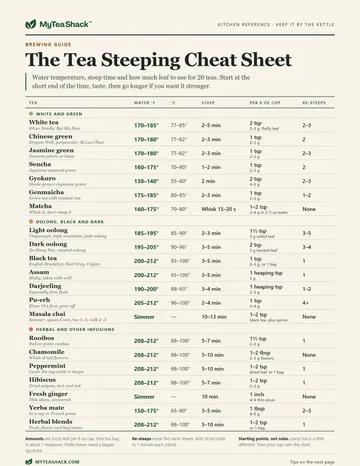
The Tea Steeping Cheat Sheet
Water temperature, steep time and how much leaf to use for 20 teas, from sencha to rooibos, on one printable page. Plus five fixes for a bitter cup.