Darjeeling Tea: Benefits, Brewing and Side Effects
What makes Darjeeling tea unique, its possible health benefits, how to brew it properly, and who should watch their intake of this black tea.
We may earn a commission when you buy through links in this guide, at no extra cost to you. How we make money.
In this guide · 5 sections
Darjeeling tea is grown in the foothills of the Himalayas in West Bengal, India, at altitudes around 7,000 feet. Made from Camellia sinensis, it's technically a black tea, though it's prized for a lighter, more delicate character than most black teas, with a golden color and a distinctive musky, astringent flavor that's earned it the nickname "the Champagne of teas." You can find Darjeeling tea from Buddha Teas if you'd like to try a reliable, organic option.
Benefits of Darjeeling Tea
- Natural stimulant: like other caffeinated teas, Darjeeling can help improve alertness and concentration.
- Antioxidants: Darjeeling contains polyphenols that may help protect cells from oxidative stress.
- May support heart health: some research links black tea antioxidants to healthier blood vessel function, which may play a supporting role in cardiovascular health as part of an overall healthy lifestyle.
- May support mental focus: the combination of caffeine and L-theanine in tea is associated with improved attention in some studies.
- May support dental health: the antibacterial compounds in tea may help reduce the bacteria associated with cavities and bad breath, though tea is not a substitute for brushing and regular dental care.
- Contains B vitamins: which support normal skin and cell function as part of a balanced diet.
Darjeeling tea has a long history of traditional and homeopathic use, but scientific evidence for specific conditions is still limited. Treat these as general wellness associations rather than proven treatments.
How to Brew Darjeeling Tea
Getting a good cup comes down to water quality and temperature (our steeping chart lists other black teas too):
- Use filtered or spring water rather than tap water if possible.
- Heat the water to just below boiling — around 195–200°F. Water that's too hot will scald the delicate leaves and make the tea bitter.
- Steep for 3–4 minutes, then remove the leaves.
- Drink it hot and unsweetened, or with just a touch of sugar. Milk and lemon are traditionally avoided since they can mask Darjeeling's delicate flavor.
Side Effects and Precautions
- High blood pressure: Darjeeling's caffeine content means it's best consumed in moderation if you have hypertension.
- Pregnancy and breastfeeding: limit intake due to the caffeine and theine content, and check with your doctor about how much is appropriate.
- Sensitive stomach: drinking it in excess, or on an empty stomach, can irritate the digestive tract for some people.
- General guidance: the FDA notes that up to about 400 mg of caffeine a day — roughly the amount in several cups of tea — isn't linked to adverse effects for most healthy adults; going well beyond that raises the risk of jitteriness, trouble sleeping and a fast heart rate.
Darjeeling is only one of India's tea regions; see where tea is grown around the world for the others.
FAQ
Is it OK to drink black tea every day?
Yes, moderate daily intake is considered safe for most healthy adults, as long as total caffeine stays within the FDA's general guidance of about 400 mg a day. Drinking much more than that can lead to caffeine-related side effects.
Is Darjeeling tea high in caffeine?
Darjeeling has a moderate caffeine content, generally somewhat lower than a cup of coffee but higher than most green or white teas — actual amounts vary by brand and brewing time.
Which tea is better, Assam or Darjeeling?
It comes down to preference. Darjeeling is lighter, more floral and grown at high altitude in small quantities, while Assam, grown in the lowland river valleys, is bolder, maltier and produced in much larger volumes. Many people keep both on hand for different occasions.
The Bottom Line
Darjeeling is a delicate, aromatic black tea worth trying for its unique flavor, best brewed slightly cooler and shorter than a typical black tea to avoid bitterness. Keep an eye on total caffeine intake if you're pregnant, sensitive to caffeine, or managing blood pressure. For comparison, see our guides on black tea vs. green tea and Assam milk tea.
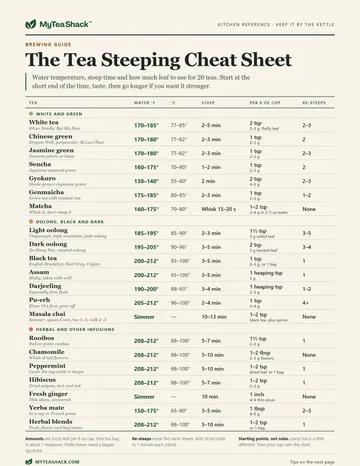
Free printable
The Tea Steeping Cheat Sheet
Water temperature, steep time and how much leaf to use for 20 teas, from sencha to rooibos, on one printable page. Plus five fixes for a bitter cup.