10 Green Tea Benefits for Skin and Hair
Green tea's antioxidants may support scalp health, shine and skin clarity. Here are 10 ways to use it, plus simple mask recipes.
We may earn a commission when you buy through links in this guide, at no extra cost to you. How we make money.
In this guide · 6 sections
Green tea's antioxidants and antimicrobial compounds make it a popular natural ingredient for skin and hair care, whether you drink it or apply it directly. Here's how it may help, and some simple ways to use it.
Why Green Tea May Help Skin and Hair
Green tea (Camellia sinensis) isn't oxidized during processing, which preserves a high concentration of tannins, flavonoids and antioxidants along with natural antimicrobial properties. Beyond drinking it, green tea is often used topically as a rinse, mask or spray to support scalp and skin health.
10 Green Tea Benefits for Hair and Skin
May Support Hair Growth
Small lab and animal studies on epigallocatechin gallate (EGCG), one of green tea's key antioxidants, suggest it may help stimulate hair follicle activity and inhibit enzymes linked to hair thinning. Human evidence for green tea (drunk or applied) producing the same effect is limited.
Good for Oily Hair
Applying cooled green tea to your scalp after washing may help reduce excess oil production.
May Reduce Dandruff and Scalp Irritation
Green tea's anti-inflammatory properties may help soothe an irritated scalp. Soak a cotton ball in cooled green tea and gently massage it into your scalp after washing.
Adds Shine
A green tea rinse or spray can help leave hair looking shinier and fuller.
May Help Darken Hair Naturally
Applied regularly, green tea may help subtly darken hair and soften the look of gray, especially when combined with rosemary. It won't dye hair the way a commercial product does.
May Slow Hair Shedding
Catechins in green tea may inhibit an enzyme that converts testosterone into DHT, a hormone linked to hair thinning, particularly in men.
Antioxidant Support for Skin
Tannins and catechins in green tea may help protect skin from free-radical damage and support collagen production, which supports skin elasticity over time.
May Reduce the Look of Dark Circles
The caffeine in green tea can help constrict blood vessels, which may temporarily reduce the appearance of dark circles when applied with a cool, damp cotton ball.
May Help With Redness and Inflammation
Applied topically, green tea may help calm redness and inflammation, including mild sun-related irritation.
May Help With Acne
Green tea's antibacterial properties may help reduce acne-causing bacteria, while its effect on hormonal activity may offer additional support.
Simple Green Tea Masks
For Acne-Prone Skin
Brew a small cup of green tea and mix in 1 tablespoon of apple cider vinegar. Apply to clean skin, leave for 15 minutes, then rinse.
Moisturizing Mask
Mix 2 tablespoons of brewed green tea with 1 tablespoon of honey. Apply to the face, leave for 15 minutes, then rinse with cool water. Repeat up to twice a week.
Hair Mask and Rinse
Mask: Mix 1 cup brewed green tea with 1/2 cup plain yogurt and a few drops of lemon juice into a thick paste. Apply to hair for 15–20 minutes before washing, then rinse.
Rinse: Brew about a liter of green tea and let it cool completely. After shampooing, pour it through your hair, massage gently into the scalp, and leave it in without rinsing so the nutrients stay on your hair.
Side Effects and Precautions
Topical green tea is generally well tolerated, but a few things to watch for:
- Do a patch test first if you have sensitive skin, since green tea can occasionally cause mild irritation.
- Green tea rinses can subtly darken very light or gray hair over repeated use — a consideration if you don't want that effect.
- If you're drinking green tea regularly for these benefits, keep an eye on your total caffeine intake, especially if you're pregnant — the NCCIH advises moderate caffeine intake during pregnancy and recommends checking with your doctor.
Another popular herbal hair rinse is rosemary tea.
FAQ
Can green tea really help with hair loss?
Some lab research points to green tea's catechins reducing activity linked to DHT, a hormone associated with hair thinning, but this is based on small, early studies rather than proof it treats hair loss conditions.
How often should I use a green tea hair rinse?
One to two times a week is a reasonable starting point; adjust based on how your hair and scalp respond.
Does green tea lighten or darken hair?
It tends to have a subtle darkening effect over repeated use, particularly on lighter or gray hair.
The Bottom Line
Green tea's antioxidants and antimicrobial compounds make it a versatile, low-cost addition to a skin and hair care routine, whether you drink it or apply it directly. For more on the drink itself, see our guides to green tea for skin and green tea benefits and honey, or check green tea side effects if you're increasing your intake.
Free printable
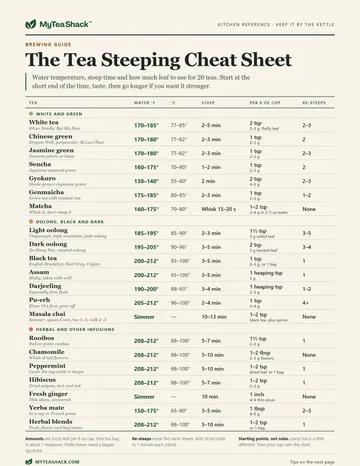
The Tea Steeping Cheat Sheet
Water temperature, steep time and how much leaf to use for 20 teas, from sencha to rooibos, on one printable page. Plus five fixes for a bitter cup.