The Healthiest Herbal Teas and Their Benefits
Discover the healthiest herbal teas, from chamomile to ginger, and what each one may help with, plus tips for brewing them right.

In this guide · 5 sections
"Herbal tea" is technically a misnomer: true tea comes only from the Camellia sinensis plant, while everything else, chamomile, peppermint, ginger and the rest, is more accurately an herbal infusion. Whatever you call it, these infusions each bring their own flavor and potential health benefits. Here are ten of the most popular options and what they may offer.
What Makes an Infusion "Herbal"
Herbal infusions are made by steeping the leaves, flowers, roots or seeds of plants other than the tea plant. Because they contain no Camellia sinensis leaves, they're naturally caffeine-free (with a few exceptions like yerba mate, which isn't covered here). To brew them well, heat water just below boiling and steep the herb for 5–10 minutes; true boiling can damage some of the more delicate aromatic compounds.
10 of the Healthiest Herbal Teas
1. Chamomile Tea
Chamomile is one of the most popular calming teas, traditionally used to ease mild digestive discomfort and support relaxation before bed. Clinical evidence for chamomile's effect on sleep is actually thin — NCCIH notes that only one rigorous study has looked at chamomile for a sleep disorder, and it found no benefit — so think of it as a calming ritual rather than a proven sleep aid.
2. Peppermint Tea
Peppermint may help with digestion and bloating; peppermint oil in particular has been studied for irritable bowel syndrome, with the American College of Gastroenterology recommending it for symptom relief, though most of that research used oil capsules rather than brewed tea.
3. Valerian Root Tea
Valerian is a traditional sleep aid, but the evidence is mixed: NCCIH reports that research on valerian for sleep problems is inconsistent, and the American Academy of Sleep Medicine has advised against using it for chronic insomnia.
4. Thyme Tea
Thyme has natural antimicrobial compounds and is traditionally used to support the immune system during colds and sore throats.
5. Lemon Balm Tea
Lemon balm (melissa) is used to ease mild anxiety and support relaxation, with a light, citrusy flavor.
6. Sage Tea
Sage has traditional uses for soothing sore throats and supporting general wellness. It's generally advised to limit sage tea while breastfeeding, since it may reduce milk supply.
7. Linden Tea
Linden flower tea has a mild sedative effect and is often used to support relaxation and sleep, along with traditional use for easing tension.
8. Ginger Tea
Made from the ginger root, this warming tea is well known for easing nausea, including pregnancy-related nausea, and supporting digestion, with anti-inflammatory properties that may also help with a scratchy throat.
9. Ginkgo Biloba Tea
Ginkgo is traditionally associated with supporting circulation and mental clarity, though large studies haven't shown it prevents memory decline. It can increase bleeding risk in people taking blood thinners like warfarin, so check with your doctor before using it regularly if that applies to you.
10. Rooibos Tea
A naturally caffeine-free, antioxidant-rich infusion from South Africa with a naturally sweet, earthy flavor, popular as an every-day alternative to caffeinated tea.
Herbal Tea vs. Green Tea
Green tea (from the true tea plant) contains catechins, a class of antioxidant polyphenols also found in smaller amounts in some herbal infusions. Green tea also contains caffeine, while herbal infusions generally don't, so the right choice often comes down to whether you want a caffeine boost or a caffeine-free option.
This list is herbal-only; for true teas like green, white and black, see our ranking of the healthiest teas overall. You may also want to read about ginkgo biloba tea, a less common herbal option.
FAQ
What is the best time of day to drink herbal tea?
Herbal teas are generally caffeine-free, so you can enjoy them any time, including before bed. If you're drinking caffeinated tea, it's best to stop by early-to-mid afternoon to protect your sleep.
Can I drink herbal tea every day?
Most herbal teas are safe for daily use in moderate amounts (2-3 cups), but individual herbs can interact with medications or aren't recommended during pregnancy, so check the specific herb.
Which herbal tea is best for sleep?
Chamomile, valerian root and linden are the most commonly used herbal teas for supporting sleep.
The Bottom Line
There's no single "healthiest" herbal tea. Each one offers a different flavor and potential benefit, from chamomile's calming effect to ginger's digestive support, so the best choice depends on what you're looking for. As with any herbal remedy, check with your doctor if you're pregnant, nursing, or taking medication.
To go deeper, see what is herbal tea, how to brew the perfect herbal tea, and what are herbal adaptogens teas.
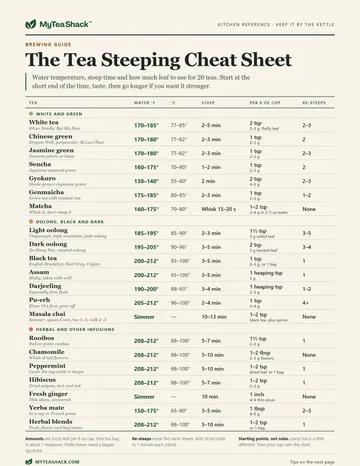
Free printable
The Tea Steeping Cheat Sheet
Water temperature, steep time and how much leaf to use for 20 teas, from sencha to rooibos, on one printable page. Plus five fixes for a bitter cup.