Best Japanese Tea for Weight Loss: A Complete Guide
The best Japanese teas for weight loss, including matcha, sencha and gyokuro, and how they may support metabolism and fat burning.
In this guide · 8 sections
Japan has one of the lowest obesity rates in the world, and green tea is often credited as part of the reason. Several varieties of Japanese green tea may support weight management through their antioxidant content and mild effect on metabolism, though none of them work as a stand-alone fix.
Why Japanese Green Tea Is Linked to Weight Loss
Japanese green tea is rich in catechins, a type of antioxidant polyphenol that some human studies link to a modest, short-term increase in fat oxidation and calorie burning, though the overall research is mixed and effects are small (PMC review: green tea extract and fat oxidation). Unlike Chinese green tea, most Japanese green tea is steamed rather than pan-fired, which preserves more of its natural color, flavor and antioxidant content.
Types of Japanese Green Tea
- Sencha – the most common variety, made from the first tea harvest, moderate quality and flavor
- Matcha – whole tea leaves ground into a fine powder and whisked into water, so you consume the entire leaf
- Bancha – a lower grade from the second harvest, milder in flavor and caffeine
- Houjicha – roasted green tea with a toasty, less bitter flavor
- Genmaicha – a blend of green tea and toasted rice
- Gyokuro – a premium, shade-grown tea from the youngest, most tender leaves
Best Japanese Teas for Weight Loss
Matcha Tea
Because you consume the whole leaf in powder form, matcha delivers more concentrated catechins and caffeine than steeped tea. Some research associates matcha with a modest increase in fat oxidation during exercise, though results vary between studies.
Sencha Tea
Sencha has diuretic properties that can help with temporary fluid retention and provides a steady, moderate metabolism-supporting effect. Two cups a day, morning and midday, is a common way to include it.
Gyokuro Tea
As a premium, antioxidant-rich tea, gyokuro is often highlighted for its calorie-free hydration and potential to support a mildly faster metabolism.
Bancha Tea
Lower in caffeine than sencha or matcha, bancha still provides some metabolic support without calories, making it an easy everyday choice.
How Green Tea May Support Weight Loss
- Antioxidant activity: catechins help neutralize free radicals and may support overall metabolic health.
- Mild thermogenic effect: some studies show a small, temporary increase in calorie burning after drinking green tea.
- Blood sugar support: green tea may help improve insulin sensitivity, which can be useful alongside a balanced diet.
- Low calorie: replacing sugary drinks with green tea is a simple way to cut calories.
Claims that green tea prevents specific diseases like cancer go well beyond the current evidence, so it's best to think of these benefits as general wellness support rather than medical treatment.
How to Brew Japanese Green Tea for Weight Loss
- Use water around 160–175°F, cooler than boiling, to avoid a bitter taste.
- Steep sencha or bancha for 1–2 minutes; matcha is whisked rather than steeped.
- Aim for 2–3 cups a day, ideally unsweetened.
- Drinking a cup about 30 minutes before exercise may help you feel more energized.
Side Effects and Precautions
Japanese green teas contain caffeine, so drinking large amounts can cause jitteriness or disrupt sleep, especially matcha, which has a higher concentration per serving. If you're pregnant or breastfeeding, keep total caffeine intake moderate and talk to your doctor. Green tea's polyphenols can also reduce absorption of non-heme (plant-based) iron when drunk with a meal, so it's best enjoyed between meals rather than with iron-rich food, especially if you're prone to low iron (PubMed: green tea and non-heme iron absorption).
For the Chinese side of the same question, see Chinese teas for weight loss.
FAQ
What is the best Japanese tea for weight loss?
Matcha and sencha are the most commonly recommended, thanks to their higher catechin content and mild metabolism-supporting effect.
How much Japanese green tea should I drink for weight loss?
Most studies use 2–4 cups a day. Combined with a balanced diet and exercise, this is a reasonable amount for most healthy adults.
Does matcha work better than regular green tea for weight loss?
Matcha delivers more concentrated catechins since you consume the whole leaf, but the overall effect on weight loss is still modest either way.
Can green tea alone help me lose weight?
No. It can support a weight-loss plan, but real results come from an overall healthy diet and regular activity.
The Bottom Line
Matcha, sencha and gyokuro are all backed by real, if modest, research on antioxidant content and metabolism support. They're a smart, low-calorie addition to a broader weight-loss plan rather than a solution on their own. For more ways to support metabolism, see our guide to metabolism boosting tea, and to compare with other options check is green tea a fat burner and matcha for slimming.
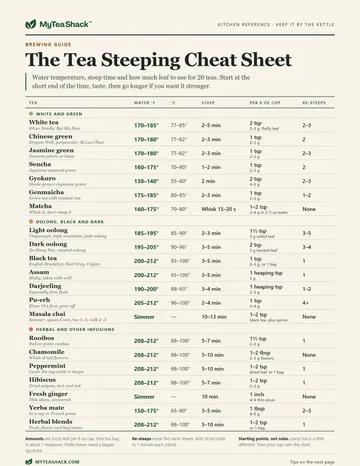
Free printable
The Tea Steeping Cheat Sheet
Water temperature, steep time and how much leaf to use for 20 teas, from sencha to rooibos, on one printable page. Plus five fixes for a bitter cup.