Tea for Low Blood Pressure: Which Teas Help and Why
What causes low blood pressure, which teas may help raise it, and when to see a doctor instead of relying on tea.
In this guide · 7 sections
Low blood pressure (hypotension) can leave you feeling tired, dizzy or lightheaded. Some teas, mainly caffeinated ones, can cause a small, temporary rise in blood pressure, which is why they're often suggested as a mild home remedy alongside other lifestyle changes.
What Causes a Blood Pressure Drop
Common causes include dehydration, heat (which widens blood vessels), and standing up too quickly (orthostatic hypotension). Low blood pressure can also follow a large meal, since digestion diverts blood flow to the gut.
In some cases, hypotension signals something more serious, such as an infection, a hormonal issue, a heart problem, or a medication side effect. See a doctor if drops are frequent, severe, or come with fainting.
Symptoms of Low Blood Pressure
Common symptoms include fatigue, weakness, dizziness, fainting, excessive sweating, paleness, blurred vision and headaches.
Teas That May Help
Caffeine causes a mild, short-term rise in blood pressure, which is the main mechanism behind most of these teas. The effect is more noticeable in people who don't drink caffeine regularly and tends to fade with habitual use.
Black Tea
Black tea contains more caffeine than most other true teas, and some research has linked regular consumption to modest blood pressure changes. Effects vary by person and aren't a substitute for medical treatment.
Green Tea
Green tea has a milder caffeine content than black tea but still provides some stimulant effect, plus antioxidants (catechins) that support overall cardiovascular health.
Ginger Tea
Ginger is sometimes used as a circulatory stimulant. Evidence is limited, and in some contexts ginger has the opposite, blood-pressure-lowering effect, so it's not a reliable fix for hypotension.
Licorice Root Tea
Licorice root has a well-documented blood-pressure-raising effect: its glycyrrhizic acid affects how the kidneys handle fluid and sodium, and even modest daily amounts have been shown to raise blood pressure in clinical research. It's one of the few herbs with real evidence behind it for this use. However, it should be avoided by anyone with high blood pressure, heart conditions, or who is pregnant, and shouldn't be used long-term without medical guidance.
Rosemary Tea
Rosemary is traditionally used for its circulatory properties and iron content, though clinical evidence specific to blood pressure is limited.
Side Effects and Precautions
- Don't use tea, including licorice root, as a substitute for treating an underlying medical cause of low blood pressure.
- Licorice root tea can raise blood pressure significantly in some people and interacts with certain heart and blood pressure medications; avoid it if you have hypertension, heart disease, or are pregnant.
- Excess caffeine can cause jitteriness, disrupted sleep, or a rapid heartbeat.
- If you experience frequent fainting, chest pain, or severe dizziness, seek medical care rather than relying on tea.
Tips to Prevent Blood Pressure Drops
- Stay well hydrated throughout the day.
- Eat smaller, more frequent meals rather than a few large ones.
- Avoid standing for long periods in the heat, and get up slowly from sitting or lying down.
- Don't overuse diuretics, including diuretic teas, without medical guidance.
If you drink ginger tea regularly, see how ginger tea may affect blood pressure.
FAQ
Does black tea really raise blood pressure?
It causes a small, temporary increase due to caffeine. It's not a reliable treatment for chronic hypotension, but it may help with occasional symptoms.
Is licorice tea safe for low blood pressure?
It can help raise blood pressure, but it's not safe for everyone. Avoid it if you have high blood pressure, heart disease, or are pregnant, and don't use it long-term without a doctor's input.
When should I see a doctor about low blood pressure?
If symptoms are frequent, severe, or involve fainting, or if you're also on medication that could be contributing, talk to a doctor rather than self-treating with tea.
The Bottom Line
Caffeinated teas like black and green tea can offer a mild, temporary boost for occasional low blood pressure symptoms, and licorice root tea has more evidence behind it but carries real risks for some people. None of these are a substitute for medical care if drops are frequent or severe. For more on how tea affects circulation and heart health, see herbal teas and blood pressure and best teas for blood circulation.
Free printable
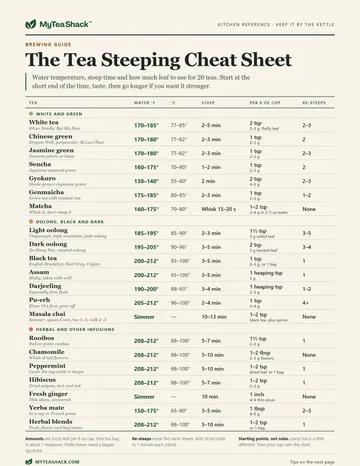
The Tea Steeping Cheat Sheet
Water temperature, steep time and how much leaf to use for 20 teas, from sencha to rooibos, on one printable page. Plus five fixes for a bitter cup.