What Tea Is Good for an Upset Stomach?
Discover which teas may calm an upset stomach, from ginger and chamomile to peppermint and fennel, plus tips to ease digestive discomfort fast.

In this guide · 5 sections
An upset stomach can come from overeating, stress, a mild bug or just a rough morning, and several herbal teas may help settle it. Ginger, peppermint, chamomile and fennel are traditional go-tos, each working a little differently to ease nausea, gas or cramping.
Teas That May Help an Upset Stomach
Ginger Tea
Ginger is one of the best-studied home remedies for nausea. NCCIH notes that research shows ginger may help with nausea and vomiting associated with pregnancy, though evidence for other types of nausea, like motion sickness, is less consistent. To brew it, simmer a few slices of fresh ginger root in water for 3–4 minutes, then strain. A squeeze of lemon can round out the flavor.
Chamomile Tea
Chamomile is a classic choice for calming the stomach. It's often used to ease gas and mild cramping and to relax the digestive tract after a meal. Many people drink a cup after dinner as part of a wind-down routine; see our guide on how to make chamomile tea for sleep for a bedtime version.
Peppermint Tea
Peppermint has a long history of use for digestive complaints. NCCIH notes that enteric-coated peppermint oil capsules may improve symptoms in people with irritable bowel syndrome, though this research is on concentrated oil capsules rather than brewed tea. Peppermint taken alone (including as tea) can worsen acid reflux or indigestion in some people, so those with GERD may want to skip it.
Fennel Tea
Fennel seeds contain compounds that may help reduce gas buildup and support digestion. Fennel tea is a mild, licorice-flavored option that's traditionally used after meals to ease bloating.
Anise Tea
Anise is valued for its carminative properties, meaning it may help the body release trapped gas that causes bloating and abdominal discomfort. It's also thought to have mild antispasmodic effects.
Licorice Root Tea
Licorice root has a long history in traditional medicine for soothing the digestive tract, though modern human evidence specific to stomach ulcers is limited. It's not a substitute for medical treatment of an ulcer or infection, and NCCIH warns that even small amounts of licorice's glycyrrhizin can cause problems for people with high blood pressure, heart or kidney conditions.
Holy Basil (Tulsi) Tea
Holy basil, or tulsi, is a staple of Ayurvedic medicine that's traditionally used to support digestion and ease gastric discomfort. Some small studies suggest it may help balance stomach acid, though more human research is needed.
Tips to Ease an Upset Stomach
- Stay hydrated. Water helps your body digest food and move things along, which matters even more if you have diarrhea.
- Don't lie flat right after eating. Staying upright for a bit can help prevent heartburn.
- Try gentle heat. A warm compress on the abdomen can help relax cramped muscles.
- Ease into bland foods. Bananas, rice, applesauce and toast are gentle on a recovering stomach.
- Skip heavy, greasy foods, alcohol and tobacco until your stomach settles, since all three can irritate the digestive lining.
Side Effects and Precautions
Most of these teas are safe for occasional use, but a few things to keep in mind:
- Peppermint can worsen symptoms of acid reflux (GERD) or indigestion in some people.
- Licorice root can raise blood pressure, especially with regular or high-salt use, and isn't recommended in large amounts during pregnancy — NCCIH notes that around 250g of licorice a week during pregnancy has been linked to a higher risk of early delivery.
- Ginger in large amounts may interact with blood-thinning medication; talk to your health care provider before combining herbal teas with any medication.
- If you're pregnant, nursing, or taking prescription medication, talk to your doctor before using any of these teas regularly.
For a stomach that's upset after drinking alcohol, our hangover tea guide covers what may help and what won't.
FAQ
Can tea make an upset stomach worse?
Very hot, caffeinated, or highly acidic teas can sometimes aggravate a sensitive stomach. Stick to mild, warm (not scalding) herbal teas like chamomile or ginger.
How often can I drink tea for an upset stomach?
A cup or two after meals is generally fine for most healthy adults. If discomfort persists beyond a few days, see a doctor.
Is ginger or peppermint tea better for nausea?
Both are commonly used for nausea; ginger tends to be the better-studied option, while peppermint may be more helpful for gas and bloating specifically.
The Bottom Line
Ginger, chamomile, peppermint and fennel teas are simple, low-risk ways to help ease an occasional upset stomach. They work well for mild, everyday discomfort, but they're not a treatment for ongoing digestive issues — if your stomach pain is severe, frequent, or doesn't improve, talk to a doctor.
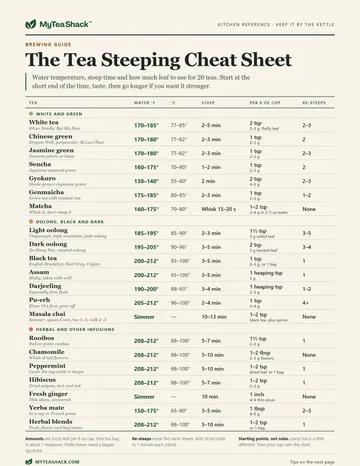
Free printable
The Tea Steeping Cheat Sheet
Water temperature, steep time and how much leaf to use for 20 teas, from sencha to rooibos, on one printable page. Plus five fixes for a bitter cup.