Seven Surprising Green Tea Benefits and How to Brew It
Discover seven science-backed green tea benefits, from antioxidants to metabolism, plus how to brew a proper cup and what to watch for.
In this guide · 6 sections
Green tea comes from the unoxidized leaves of the Camellia sinensis plant, and it's one of the most studied beverages for health benefits. Its high antioxidant content is linked to a lower risk of heart disease and may support metabolism, brain function and skin health.
Why Green Tea Is Different
Green tea leaves are steamed or pan-fired shortly after picking, which halts oxidation and preserves catechins, a group of antioxidant polyphenols. Black and oolong teas are allowed to oxidize, which changes their flavor and antioxidant profile. This is why green tea tends to have a lighter taste and a different set of health effects than more oxidized teas.
7 Green Tea Benefits
- Rich in antioxidants. Catechins, especially EGCG, help protect cells against damage from free radicals.
- May support heart health. NCCIH notes that some studies in Asian populations link regular green tea intake to a lower risk of coronary heart disease, though this association hasn't held up as consistently in Western populations.
- May aid metabolism. NCCIH reports that the catechins and caffeine in green tea may have a modest effect on body weight, though effects are small compared to diet and exercise.
- Supports focus and calm energy. Green tea pairs a moderate amount of caffeine with L-theanine, an amino acid associated with alertness without the jitters of coffee.
- May support brain health. Some research links regular consumption to a lower risk of age-related cognitive decline.
- May benefit skin. Topical and dietary antioxidants from green tea are studied for reducing UV-related skin damage and inflammation.
- Naturally low in calories. Unsweetened green tea has virtually no calories, making it an easy swap for sugary drinks.
Research on cancer risk and green tea is ongoing, and NCCIH states plainly that results across these studies have been inconsistent. No tea prevents cancer, and it should never replace medical screening or treatment.
How to Make Green Tea
- Use fresh, cold water and heat it to about 160-180°F (70-80°C) — not a full boil, which can make green tea bitter.
- Use roughly 1 teaspoon of loose leaf tea (or one teabag) per 8 ounces of water.
- Steep for 2-3 minutes.
- Strain and enjoy plain, or with a squeeze of lemon.
Side Effects and Precautions
Green tea contains caffeine (about 25-45 mg per cup), so it can cause jitteriness, insomnia or an upset stomach in sensitive people. Drinking large amounts on an empty stomach may cause nausea. Liver injury has occurred in rare cases, almost always tied to concentrated green tea extract supplements rather than brewed tea; people with liver disease should still check with a doctor first. If you're pregnant, breastfeeding, or taking medication (especially blood thinners or stimulants), talk to your doctor before making green tea a daily habit.
Related guides: green tea with honey and green tea at night.
FAQ
How many cups of green tea should I drink a day?
Most research on benefits uses 2-3 cups a day. More isn't necessarily better, especially given the caffeine content.
Does green tea help with weight loss?
It may offer a small boost to metabolism and fat oxidation, but it works best alongside a healthy diet and regular exercise, not as a standalone solution.
Is green tea good for constipation?
The caffeine in green tea can have a mild stimulant effect on the digestive tract for some people, but it isn't a reliable remedy on its own. If you're dealing with ongoing digestive issues, see our guide to herbal tea for constipation.
Can I drink green tea every day?
Yes, for most healthy adults, 2-3 cups a day is considered safe. Watch your total caffeine intake if you also drink coffee or other caffeinated tea.
The Bottom Line
Green tea is a low-calorie, antioxidant-rich drink with real, if modest, health benefits backed by research. Brew it gently, drink it in moderation, and pair it with an overall healthy lifestyle rather than expecting it to work miracles. For more on the plant it comes from, see our guide to green tea side effects, or explore matcha's benefits if you want a more concentrated dose of the same leaf.
Free printable
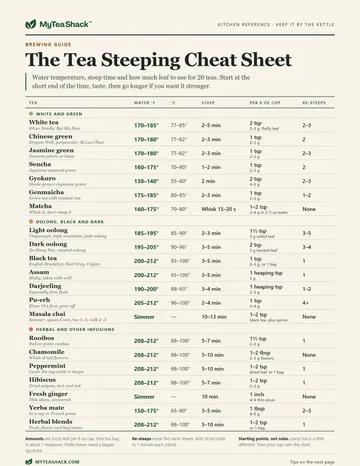
The Tea Steeping Cheat Sheet
Water temperature, steep time and how much leaf to use for 20 teas, from sencha to rooibos, on one printable page. Plus five fixes for a bitter cup.