What Is Special About Turkish Tea? A Complete Guide
Why Turkish tea (cay) is unique, how it's grown and brewed in a double teapot, and what makes it one of the world's most-consumed teas.
In this guide · 8 sections
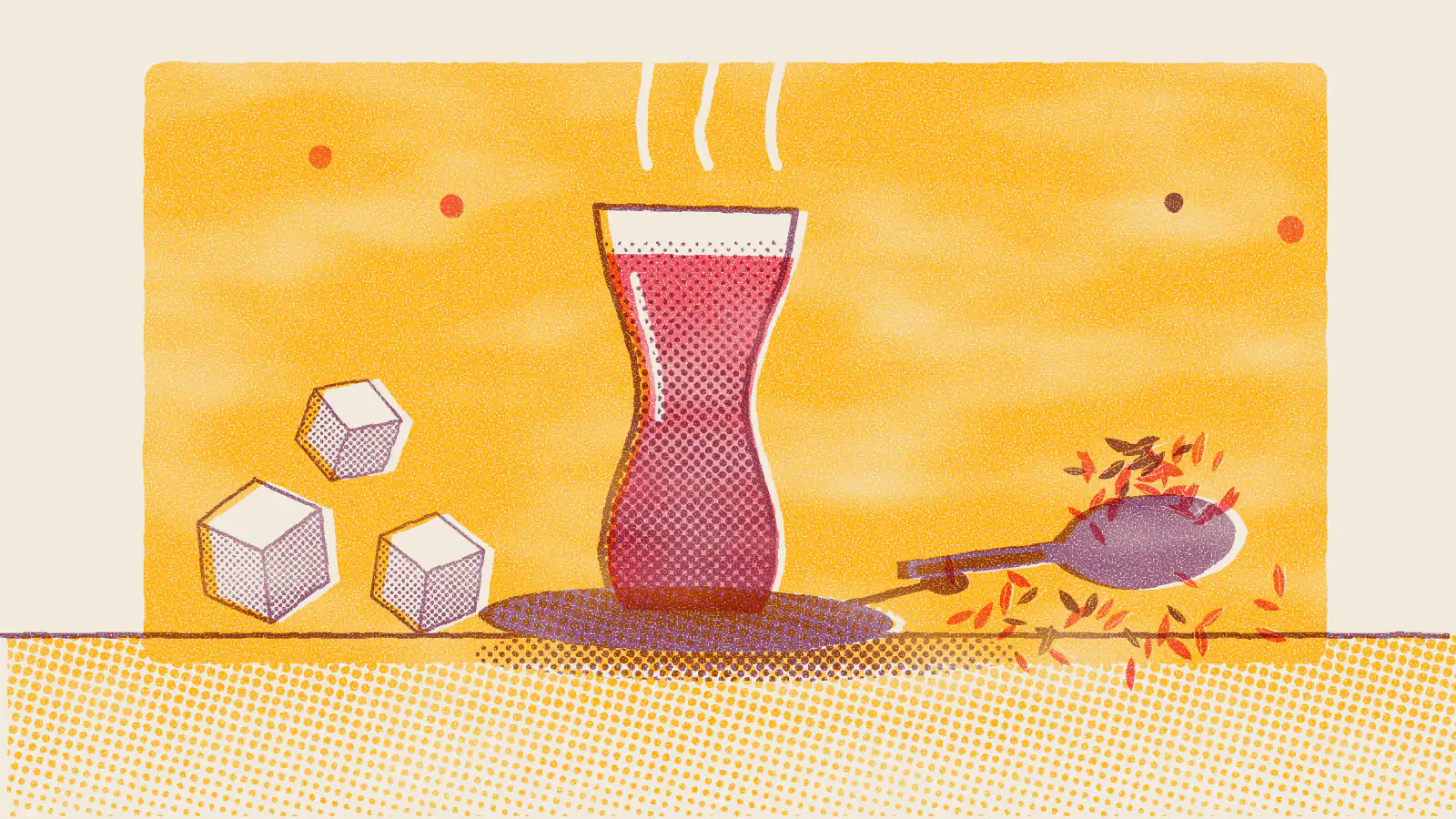
Turkish tea, known locally as çay, stands out for its deep red color, its unique double-teapot brewing method, and the sheer amount of it Turks drink: around 5–7 pounds per person a year, among the highest tea consumption in the world.
A Brief History of Turkish Tea
Turkey has grown tea since the early 20th century, mainly along the Black Sea coast. Tea consumption took off in Turkey during and after World War I, when coffee became scarce and expensive following the fall of the Ottoman Empire. Tea filled the gap and never let go of its popularity, becoming the country's default hospitality drink — it's customary to be offered a cup the moment you visit a Turkish home.
Where "Tea" and "Çay" Come From
Tea's name follows two main linguistic paths worldwide, both tracing back to China: "te"-like words (tea, thé, tee) and "cha"-like words (chai, çay, cha). Turkish uses çay, closer to the Chinese and South Asian versions, which can lead to confusion for English speakers who might ask for "chai tea" in Turkey — locally, that's a bit like asking a café for "tea tea."
How Turkish Tea Is Grown
Turkish tea is cultivated along the Black Sea coast near the city of Rize, where a humid, subtropical climate suits the tea plant well. Many households even grow a few tea plants for personal use. Cold winters limit the growing season to about six months across three harvest cycles, and — unlike in many other tea-growing regions — the leaves are typically hand-cut with scissors rather than plucked by hand.
What Makes Turkish Tea Brewing Unique
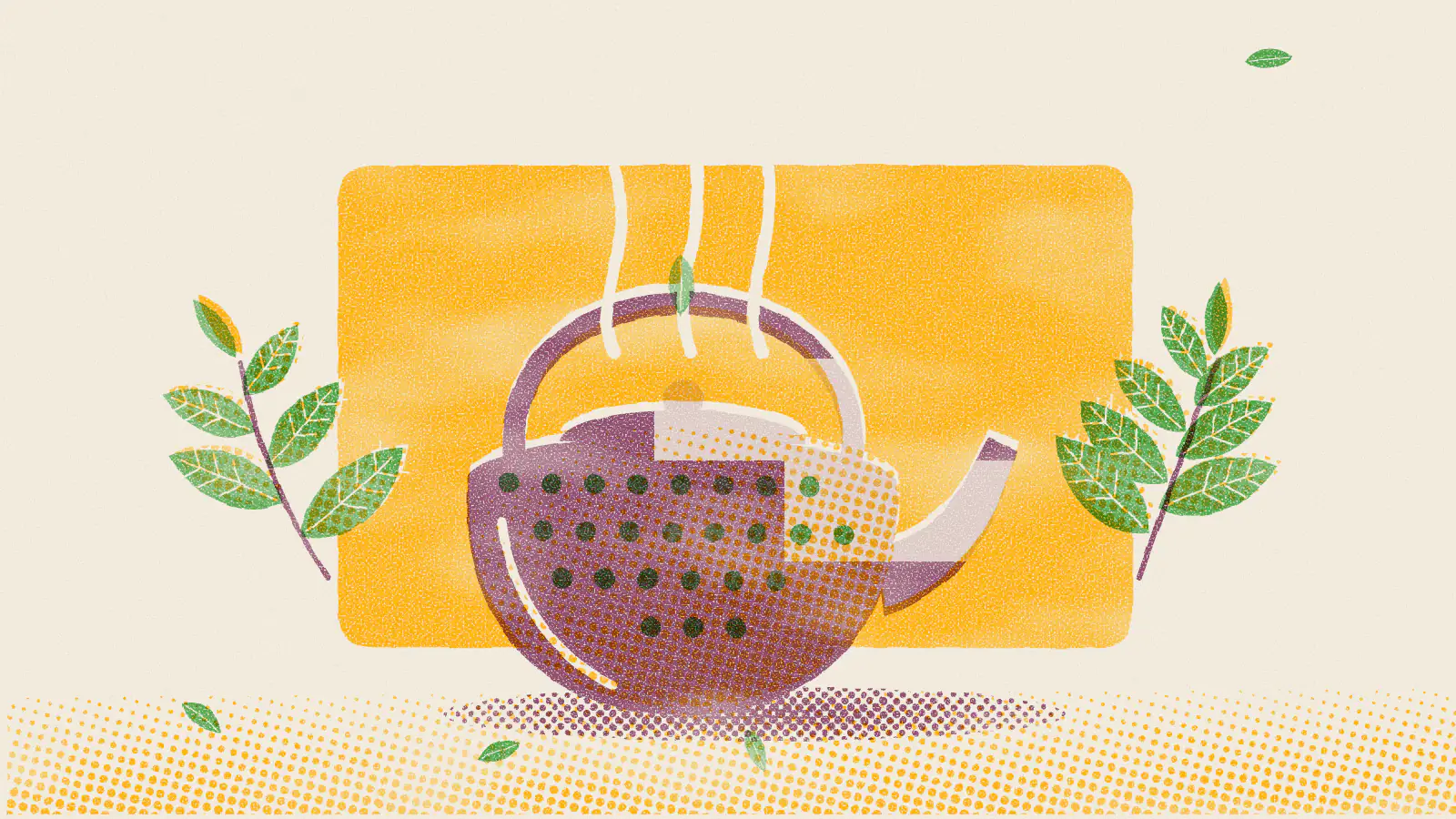
Turkish tea is brewed using a stacked double teapot called a çaydanlık. Water boils in the larger bottom pot, and a small amount is used to steep loose black tea leaves in the smaller pot on top. To serve, you pour some of the strong tea concentrate from the top pot into a small, tulip-shaped glass, then dilute it to taste with hot water from the bottom pot. Turkish tea is served strong and without milk, though sugar is common.
Drinkers typically choose one of three strengths:
- Koyu – dark and strong, with little dilution
- Tavşan kanı – literally "rabbit's blood," a medium-red, well-balanced cup
- Açık – light, with more hot water added
Turkish Tea Culture
Tea in Turkey is deeply tied to hospitality and daily social life. It's often served free alongside meals in restaurants and is a fixture of the traditional Turkish breakfast. Because tea is grown domestically, it's inexpensive and avoids import costs, which helps explain why it's consumed so widely and so often throughout the day.
Tips for Enjoying Turkish Tea
- Hold the glass by its rim or use a saucer, since Turkish tea is served very hot.
- Add sugar cubes if you like it sweeter; Turkish tea is traditionally served without milk.
- If you'd rather explore other classic black teas, see our guide to black tea vs. green tea.
For another tea tradition with its own rules, see our guide to British afternoon tea. Turkey is also one of the larger producers; here's where tea is grown and how the major countries compare.
FAQ
What type of tea is Turkish çay?
It's a black tea, typically grown and processed domestically along Turkey's Black Sea coast.
Why is Turkish tea served in small glasses instead of cups?
The small, tulip-shaped glass keeps the tea from cooling too quickly and lets drinkers see the tea's rich red color.
Does Turkish tea contain caffeine?
Yes, since it's a black tea. If you're sensitive to caffeine, dilute it further with hot water from the bottom pot, or check our list of teas low in caffeine.
The Bottom Line
Turkish tea earns its reputation through a distinctive double-teapot brewing method, a proud tradition of hospitality, and consumption levels that rank among the highest in the world. If you want to try it the traditional way, look for loose black tea and a two-tiered teapot to get the real experience.
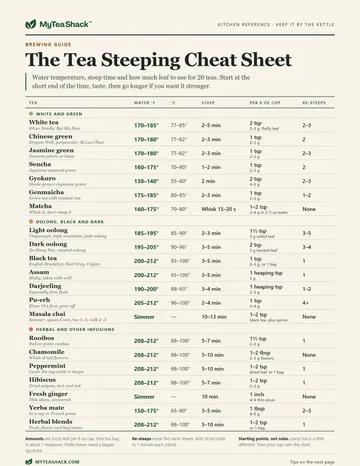
Free printable
The Tea Steeping Cheat Sheet
Water temperature, steep time and how much leaf to use for 20 teas, from sencha to rooibos, on one printable page. Plus five fixes for a bitter cup.