What Is Lemongrass Tea Good For? Benefits and Side Effects
What lemongrass tea is good for, its possible benefits for digestion and relaxation, side effects, contraindications, and how to brew it.
In this guide · 7 sections
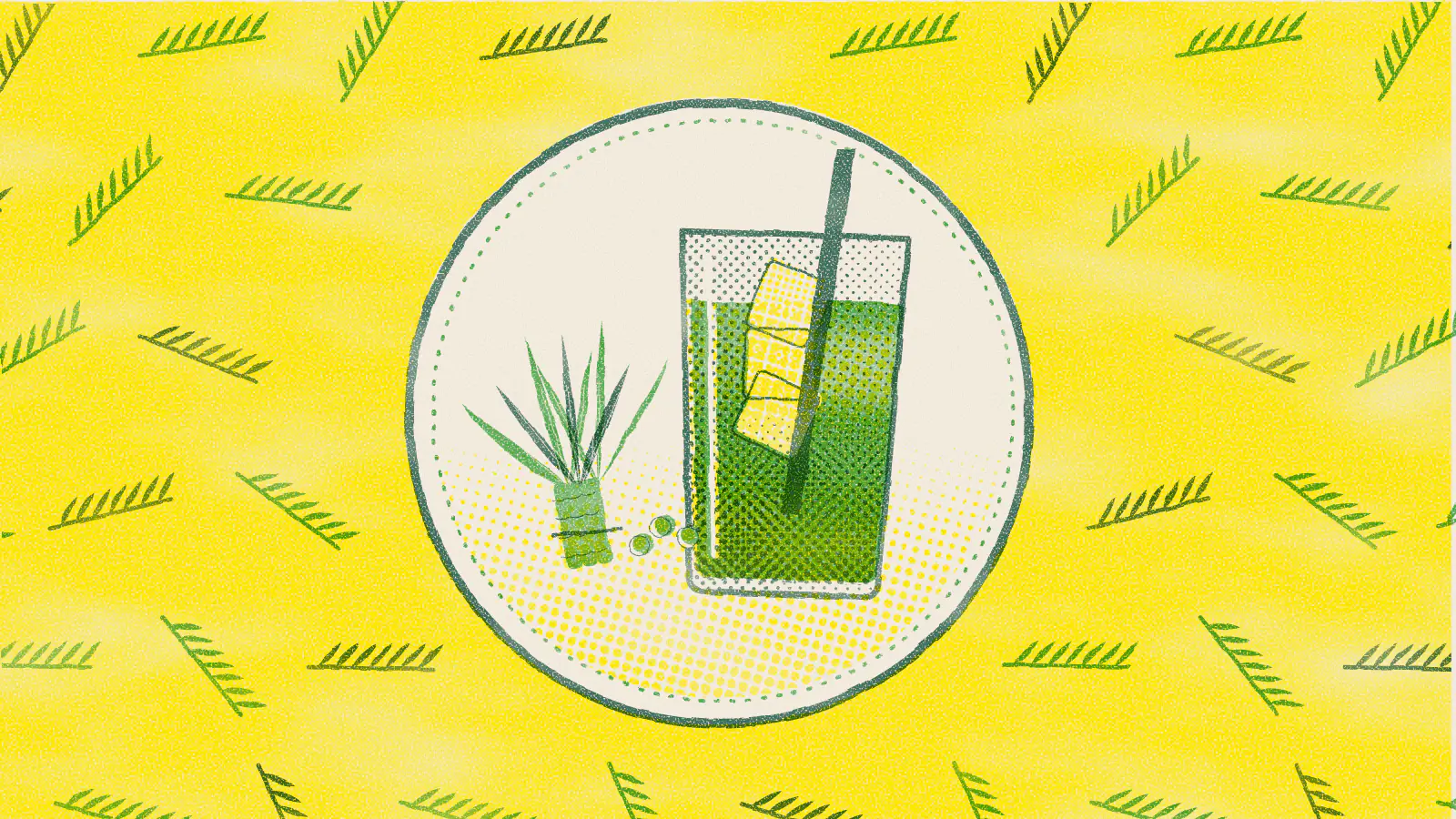
Lemongrass tea is a caffeine-free herbal infusion made from the citrusy Cymbopogon citratus plant. It's mostly known for its calming, digestive and mildly antimicrobial properties, though most of the research behind these claims is early-stage.
What Is Lemongrass?
Lemongrass is a tall, grassy herb native to Sri Lanka and southern India, also known as lemon balm-like citronella, cane cane or yerba luisa depending on the region. It has a bright, citrusy aroma without the tartness of actual lemon, and it's a staple flavor in Southeast Asian cooking. As a tea, it's naturally caffeine-free and tannin-free, which makes it a good evening option.
Lemongrass Tea Benefits
Research on lemongrass is still limited, mostly early lab and animal studies, but a few effects are commonly reported:
- May support oral health. Lab studies on herbal extracts, including lemongrass, have found some inhibit bacterial growth, which is part of why chewing the stems is a traditional habit in some communities.
- May ease nervousness and support relaxation. Lemongrass has a mild calming reputation, and some research (including work referenced by Memorial Sloan Kettering's integrative medicine resources) has looked at its aroma's effect on anxiety symptoms.
- May support digestion. It's traditionally used to ease bloating and settle the stomach.
- May offer mild antimicrobial and antifungal effects, which is part of why it's used topically in some traditional remedies for skin issues.
- Contains polyphenols and antioxidants, compounds generally associated with reduced oxidative stress, though specific claims about fat-burning from a small number of studies haven't been confirmed in larger human trials.
These are potential, mostly preliminary benefits, not medical claims — lemongrass tea isn't a treatment for any disease.
Lemongrass Tea Side Effects
Reported side effects include dizziness, drowsiness, dry mouth, increased urination and increased appetite. Drinking large amounts of very strong lemongrass tea has also been linked to effects on the kidneys, so stick to normal culinary-strength brews.
Who Should Avoid Lemongrass Tea
- People who are pregnant. Compounds in lemongrass (citral and myrcene) caused birth defects in animal studies, so it's best avoided during pregnancy.
- Anyone on prescription medication. Lemongrass may affect how the liver processes some drugs; check with your doctor or pharmacist before drinking it regularly if you take any medication.
- Anyone with unexplained, severe abdominal pain.
How to Make Lemongrass Tea
Ingredients:
- 4 cups water
- 8–10 fresh lemongrass leaves (or 1–2 stalks, bruised)
- Honey or sugar, to taste
Steps:
- Bring the water to a boil with the lemongrass leaves.
- Simmer for about 10 minutes.
- Strain and sweeten with honey if desired.
- Serve hot, or chill it for a refreshing iced version.
FAQ
Does lemongrass tea help you sleep?
It's traditionally used for its calming effect and is caffeine-free, which makes it a reasonable evening drink, though it isn't a proven treatment for insomnia.
Is lemongrass tea safe every day?
For most healthy adults, a cup or two a day is generally considered fine. If you're pregnant, on prescription medication, or managing a health condition, check with your doctor first.
Can lemongrass tea help with weight loss?
Some small studies have looked at compounds in lemongrass and metabolism, but there's no strong evidence it causes weight loss on its own — it's better thought of as a low-calorie swap for sugary drinks than a fat-burning remedy.
The Bottom Line
Lemongrass tea is a pleasant, caffeine-free option with some promising but early research behind its calming and digestive reputation. It's generally safe for most people in moderation, but check with your doctor if you're pregnant or take prescription medication. For other caffeine-free options, see our guide to medicinal herbal teas and the healthiest herbal teas, or learn how to brew herbal tea properly for the best flavor.
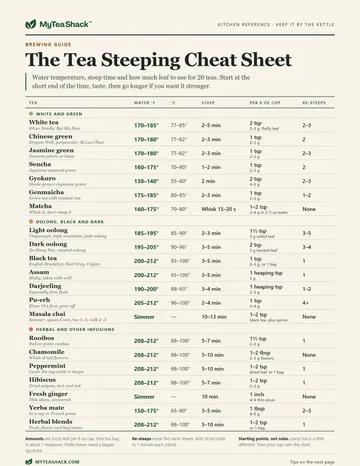
Free printable
The Tea Steeping Cheat Sheet
Water temperature, steep time and how much leaf to use for 20 teas, from sencha to rooibos, on one printable page. Plus five fixes for a bitter cup.