Blue Tea Benefits and Side Effects (Oolong Tea Guide)
Blue tea, better known as oolong, may support heart and metabolic health. Here's what research shows, plus side effects to watch for.
In this guide · 6 sections
Blue tea, better known as oolong tea, sits between green and black tea because of its partial oxidation. It's a favorite for its varied flavor and is associated with several potential health benefits, though most human research is still limited.
What Is Blue (Oolong) Tea?
Oolong tea comes primarily from China and Taiwan. Depending on how long it oxidizes, it can taste closer to green tea or closer to black tea, with flavors ranging from floral and sweet to toasty and woody. Less-oxidized oolongs are rolled into small balls with a bluish-green tint, which is where the "blue tea" nickname comes from.
Blue Tea Benefits
Heart Health
Some research links regular tea consumption, including oolong, with modestly lower cardiovascular risk factors like cholesterol and blood pressure. This isn't a guarantee for any individual, and tea shouldn't replace heart medication or a doctor's advice.
Blood Sugar
A few studies suggest oolong tea may help support healthy blood sugar levels as part of an overall healthy lifestyle. It isn't a treatment for diabetes, and anyone managing diabetes should follow their doctor's guidance rather than substitute tea for medication.
Stress and Focus
Oolong contains caffeine along with L-theanine, a combination associated with alertness paired with a calmer, less jittery feeling than coffee for some people.
Brain Function
Some research has looked at whether antioxidants in tea, including oolong, are associated with better cognitive outcomes over time. Evidence is still preliminary, and tea is not a treatment or prevention for Alzheimer's disease or any other condition.
Bone and Skin Health
Long-term tea consumption has been studied for a possible link to bone mineral density. Oolong's polyphenols are also being studied for mild anti-inflammatory effects on skin conditions like acne, though more research is needed.
Weight Management
Oolong's polyphenols are sometimes studied for their role in fat metabolism, and its caffeine content may offer a modest, temporary boost to calorie burning as part of a balanced diet. It isn't a weight-loss solution on its own. For more, see our guide to oolong tea benefits.
How to Prepare Blue Tea
- Heat water to just below boiling.
- Use about 1 tablespoon of oolong leaves per cup.
- Pour the hot water over the leaves and steep for 2–3 minutes.
- Strain and enjoy; good oolong leaves can often be re-steeped a few times.
For more brewing ideas, check out our favorite oolong teas to try.
Side Effects and Who Should Avoid It
- Caffeine sensitivity: Oolong contains caffeine and can cause headaches, anxiety, insomnia or a fast heartbeat in sensitive people if overconsumed. The FDA notes about 400 mg of caffeine a day isn't linked to adverse effects for most healthy adults.
- Stomach issues: People with stomach ulcers or acid reflux may want to limit oolong, especially on an empty stomach.
- Pregnancy: Pregnant women should limit caffeine intake and check with their doctor about how much oolong, if any, is appropriate.
- Kidney health: Tea contains oxalates, so people with kidney disease or a history of kidney stones should talk to their doctor about how much oolong, if any, is appropriate.
- Iron absorption: Compounds in tea can bind to dietary iron and reduce how much your body absorbs, so avoid drinking it with iron-rich meals if you're anemic.
For the weight-loss angle specifically, see our look at oolong tea and your waistline.
FAQ
Is blue tea the same as green tea?
No. Blue tea (oolong) is partially oxidized, putting it flavor-wise between green tea and black tea.
How much blue tea is safe per day?
Most healthy adults can enjoy 2–3 cups a day. Watch your total daily caffeine if you drink other caffeinated beverages too.
Does blue tea have more caffeine than green tea?
It varies by brand and oxidation level, but oolong generally falls between green and black tea in caffeine content.
The Bottom Line
Blue tea, or oolong, is a flavorful option that may offer modest support for heart and metabolic health as part of a balanced diet. It isn't a cure or treatment for any condition, so check with your doctor if you're pregnant, have kidney disease, or manage diabetes or blood pressure.
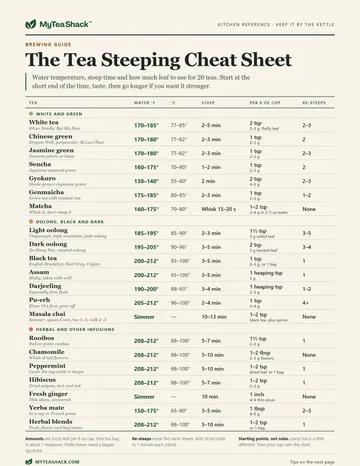
Free printable
The Tea Steeping Cheat Sheet
Water temperature, steep time and how much leaf to use for 20 teas, from sencha to rooibos, on one printable page. Plus five fixes for a bitter cup.