Fat Burning Tea: Does It Work and Which Teas Help
Fat-burning teas won't melt fat on their own, but some may support metabolism and digestion. See which teas have evidence and how to use them.
In this guide · 6 sections
No tea burns fat by itself. What's called "fat-burning tea" refers to teas that may give a small, temporary boost to metabolism or help you feel fuller, which can support a weight-loss plan alongside diet and exercise — not replace them.
How Your Body Stores Fat
Fat is how your body stores extra energy, mainly in three places:
- Subcutaneous fat — just under the skin; the fat you lose first with exercise. Genetics and hormones influence where it collects (abdomen and chest in men; hips and thighs in women, generally speaking).
- Visceral fat — around your internal organs; higher amounts are linked to greater health risk, so keeping it in check matters for long-term health.
- Intramuscular fat — small amounts stored between muscle fibers.
No tea targets a specific type of fat. What can help is a combination of a balanced diet, regular exercise and, for some people, a modest metabolic boost from caffeine or catechins in tea.
Teas Often Used for Weight Support
Green Tea
Green tea's catechins and modest caffeine content are associated with a small effect on body weight: a widely cited meta-analysis found green tea catechins produced an average weight loss of roughly 1.3 kg (about 3 pounds) compared with control groups, and more recent reviews describe the effect as modest and inconsistent across studies. It's best considered a minor assist, not a fat-loss method on its own.
Oolong Tea
Oolong is partially oxidized and also contains catechins and caffeine. In a study of 102 overweight and obese adults who drank oolong tea daily for six weeks, most lost some body weight, with greater loss in participants who started more overweight; researchers linked this to metabolic and lipid changes rather than a direct fat-burning effect. This was an uncontrolled study, so more rigorous research is needed to confirm the size of the benefit.
Matcha Tea
Made from the same plant as green tea but consumed as a powder, matcha is very low in calories (about 3 per gram) and provides catechins, including EGCG, along with a modest caffeine hit.
Hibiscus Tea
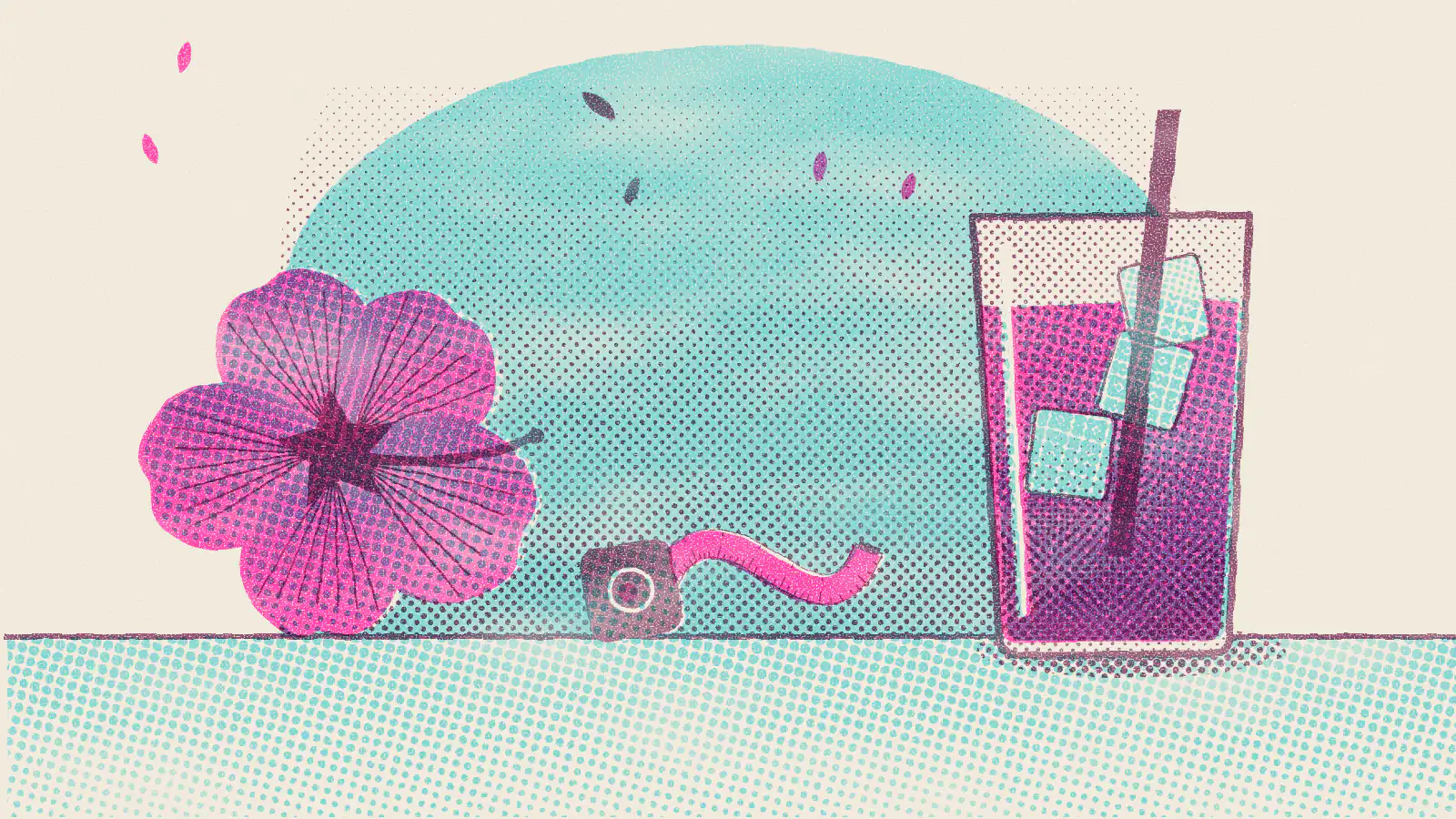
Hibiscus is rich in antioxidants and has a mild diuretic effect, which can reduce water retention (not fat). Evidence on body weight is mixed: some earlier trials linked concentrated hibiscus extract to modest reductions in weight and waist measurements, but a 2024 systematic review and meta-analysis of randomized controlled trials found no significant clinical benefit for weight, BMI or waist circumference compared with controls.
Ginger Tea
Ginger has anti-inflammatory properties and may modestly support metabolism and digestion. It's a gentle, low-risk addition to a weight-management routine.
Rooibos, Pu-erh and White Tea
These teas are caffeine-free (rooibos) or lower in caffeine, and are often used as everyday alternatives. Preliminary research on pu-erh suggests it may influence how the body handles dietary fat, but evidence in humans is limited.
Peppermint and Dandelion Tea
Peppermint may support digestion by improving bile flow. Dandelion tea has a diuretic effect and is sometimes used to reduce bloating, though this is water weight, not fat loss.
Papaya Leaf Tea
Papaya leaf contains papain, an enzyme that aids digestion of proteins; it's sometimes included in weight-support blends, though direct evidence for fat loss is limited.
How to Drink Fat-Burning Tea
- Two to three cups a day is a reasonable amount for most healthy adults; more isn't better and adds unnecessary caffeine.
- Drinking tea about 30 minutes after a meal may support digestion without interfering with iron absorption from food.
- A cup of green tea with a squeeze of lemon in the morning is a common, low-calorie way to start the day.
- Pair any of these teas with a balanced diet and regular exercise — that combination, not the tea, drives real results.
Side Effects and Precautions
- High-caffeine teas (green, oolong, white, black) can cause jitteriness, insomnia or an upset stomach in sensitive people; keep to a few cups a day.
- Diuretic teas like hibiscus and dandelion can increase urination; stay hydrated and check with your doctor if you take blood pressure or diabetes medication, since some of these teas may interact.
- Pregnant or breastfeeding women should check with a doctor before adding new herbal teas, including hibiscus and dandelion, to their routine.
- These teas are not a treatment for obesity or any medical condition and won't produce dramatic results without diet and exercise changes.
Related: keto-friendly teas.
FAQ
What is the best fat-burning tea?
Green tea has the most research behind it as a modest metabolism booster, but the effect is small — diet and exercise matter far more.
When should I drink fat-burning tea?
Many people find it easiest to drink it after meals; some prefer a cup in the morning before breakfast.
Can tea alone help me lose weight?
No. Tea can be a helpful addition to a healthy diet and exercise routine, but it isn't a weight-loss treatment on its own.
The Bottom Line
Certain teas, especially green and oolong, may give a small boost to metabolism and digestion, but none of them burn fat by themselves. Use them as a supporting habit alongside a balanced diet and regular exercise, not a substitute for either.
Related reading: Is Green Tea a Diuretic?, How to Make Green Tea, Can You Drink Tea While Fasting?
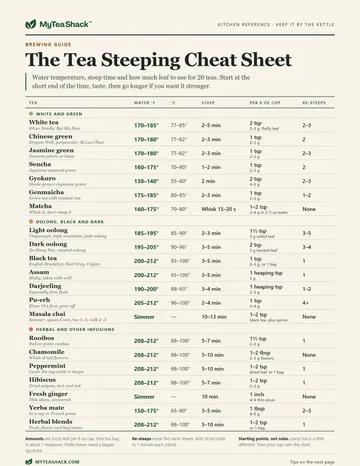
Free printable
The Tea Steeping Cheat Sheet
Water temperature, steep time and how much leaf to use for 20 teas, from sencha to rooibos, on one printable page. Plus five fixes for a bitter cup.