Green Tea and Kidney Stones: What's the Connection?
How kidney stones form, whether green tea helps prevent them, and how much is safe to drink if you're prone to stones.
In this guide · 6 sections
Green tea has a more complicated relationship with kidney stones than a simple "helps" or "hurts." It contains antioxidants that some early research associates with a lower risk of stone formation, but it also contains oxalate, a compound that contributes to the most common type of kidney stone — so the effect likely depends on the amount you drink and your individual risk factors.
How Kidney Stones Form
Kidney stones are hard deposits, usually made of calcium oxalate crystals, that form inside the kidneys. Cleveland Clinic explains that stones form when urine has too many stone-forming substances, like calcium and oxalate, and too little fluid to keep them dissolved, so not drinking enough water is a primary risk factor.
Other risk factors include a family history of kidney stones, certain metabolic conditions, some medications, rapid weight gain, and eating a lot of high-oxalate foods (spinach, rhubarb, wheat bran, tree nuts). Because the underlying cause is often an imbalance in urine composition, staying well hydrated is one of the most protective habits for most people.
Does Green Tea Help Prevent Kidney Stones?
Some early research suggests that antioxidants and other plant compounds in green tea may help reduce calcium oxalate crystallization in the urinary tract. Separately, green tea has been shown to lower LDL cholesterol to a small extent, a modest cardiovascular benefit, though this is unrelated to kidney stone risk. The exact mechanism for any stone-related effect isn't fully understood, and green tea is not a proven treatment or prevention method for kidney stones.
At the same time, tea (including green tea) contains oxalate itself. For most people drinking green tea in moderate amounts, this isn't a meaningful risk, but people who have already had oxalate kidney stones are sometimes advised by their doctor to moderate their tea intake specifically because of this oxalate content.
How Much Green Tea Is Reasonable?
A common general guideline is no more than 2–3 cups of green tea per day. If you have a personal or family history of kidney stones, talk to your doctor or a renal dietitian about whether tea should be limited further, since individual oxalate sensitivity varies.
Side Effects and Precautions
- History of kidney stones: Ask your doctor before making green tea a daily habit if you've had oxalate stones before.
- Dehydration: Tea has a mild diuretic effect; make sure you're also drinking plain water throughout the day, since dehydration is the biggest risk factor for stones.
- Caffeine sensitivity: Green tea's caffeine can affect sleep or heart rate in sensitive people if consumed in excess.
- Medication interactions: Green tea can interact with certain blood thinners and stimulant medications; check with your doctor if you take these.
Another tea often linked to kidney health in folk tradition is palo azul, a Mexican bark tea with a distinctive blue tint.
FAQ
Does green tea cause kidney stones?
Not typically at moderate intake. Green tea does contain oxalate, but for most healthy people drinking a few cups a day, this isn't linked to stone formation. Risk is more strongly tied to dehydration and individual susceptibility.
What are the symptoms of a kidney stone?
Common symptoms include sharp pain in the back or side, blood in the urine, frequent urination and nausea. See a doctor promptly if you notice these signs.
Is black tea worse than green tea for kidney stones?
Black tea generally contains more oxalate than green tea, so people prone to oxalate stones are sometimes advised to favor green tea or limit both in very high amounts.
The Bottom Line
Green tea isn't a proven cure or major risk factor for kidney stones at typical intake levels — the bigger levers are hydration and, for some people, individual oxalate sensitivity. If you've had kidney stones before, ask your doctor how much tea fits your situation. For more, see our guides to what tea helps with kidney stones and teas for kidney health.
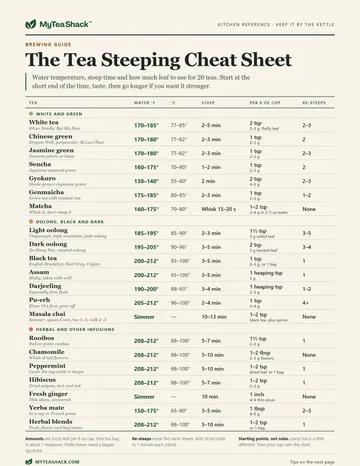
Free printable
The Tea Steeping Cheat Sheet
Water temperature, steep time and how much leaf to use for 20 teas, from sencha to rooibos, on one printable page. Plus five fixes for a bitter cup.