Chai Tea: What It Is, Health Benefits and How to Make It
What chai tea is, the spices and black tea that give it its flavor, its possible health benefits, and an easy homemade recipe you can try today.
We may earn a commission when you buy through links in this guide, at no extra cost to you. How we make money.
In this guide · 6 sections
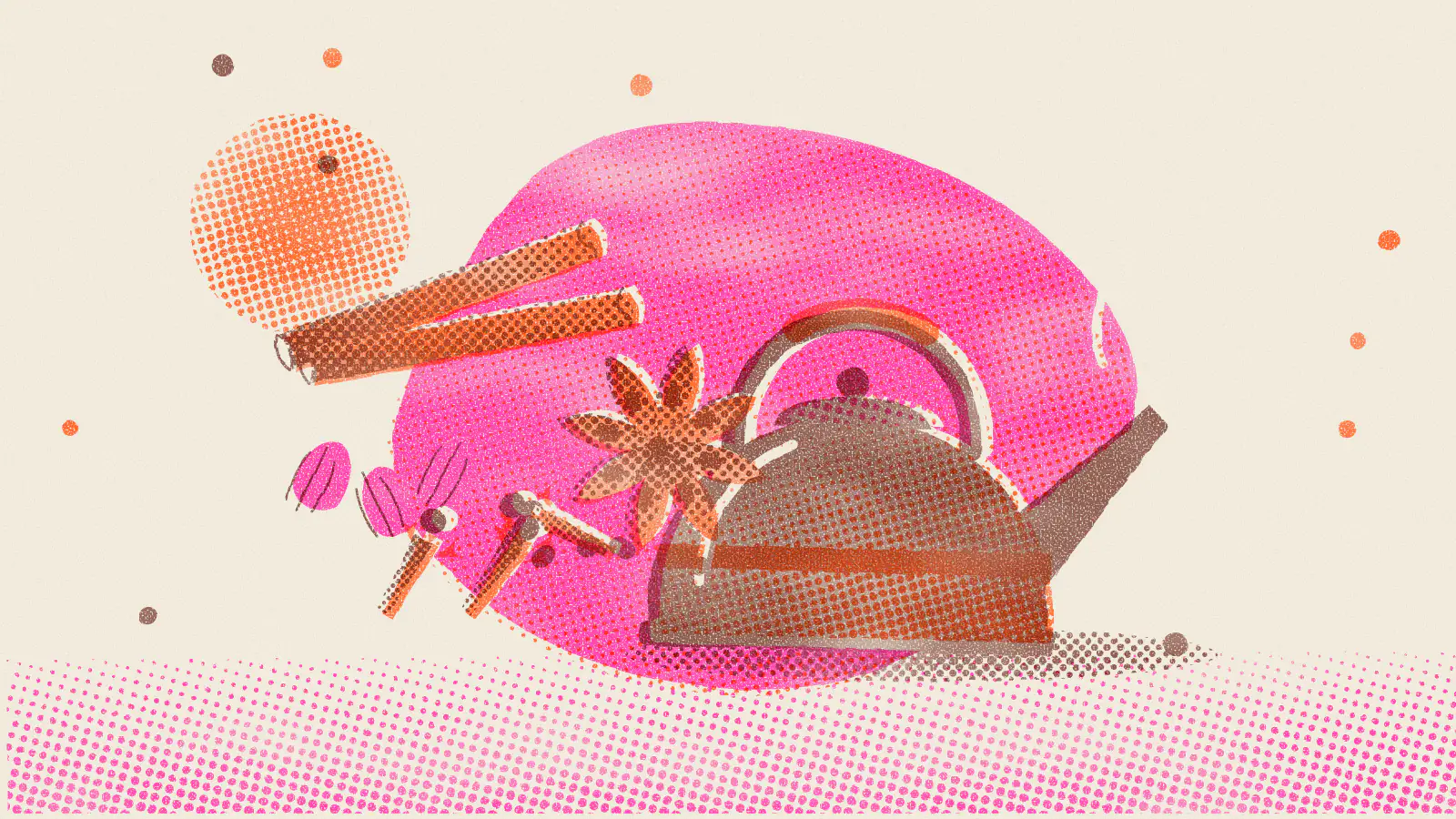
Chai — short for masala chai — is a spiced black tea that originated in South Asia, traditionally made with black tea, cardamom, cinnamon, cloves, ginger and black pepper, often served with milk. It was during British colonial rule in India that black tea became a standard part of the recipe, on top of the spice blend that Ayurvedic tradition had used for centuries.
What Is Chai Tea?
Chai combines black tea with a warming blend of spices, and can be served with or without milk. The result is a bold, aromatic drink that many people find comforting, especially in cooler weather. If you want to skip blending your own spices, a ready-made chai tea from Buddha Teas is a convenient starting point.
Benefits of Chai Tea
Chai's benefits come mostly from its ingredients working together:
- Antioxidants: black tea, ginger and black pepper each contribute antioxidant compounds.
- Digestive support: ginger and black pepper are commonly used to ease digestion and calm an upset stomach.
- Anti-inflammatory compounds: cloves contain eugenol, a compound with anti-inflammatory properties.
- May support heart health: black tea's polyphenols are studied for a possible supporting role in cardiovascular health, though chai itself hasn't been studied directly.
- May help manage blood sugar: cinnamon has been studied for a possible effect on blood sugar, but NIH's National Center for Complementary and Integrative Health notes it's unclear whether cinnamon supplementation actually helps with diabetes, so it isn't a substitute for diabetes medication.
- A little metabolism boost: black pepper and ginger are both linked to a mild thermogenic effect that may support calorie burning as part of an active lifestyle.
These are supportive, general wellness benefits rather than treatments for any medical condition — if you're managing a health condition like diabetes or heart disease, talk to your doctor about how chai fits into your routine.
How to Make Chai Tea
Ingredients
- 2 cups water
- 1 tablespoon cinnamon powder (or 1 cinnamon stick)
- 1 tablespoon cardamom powder
- A pinch of black pepper
- 1 tablespoon ginger powder (or fresh, grated)
- 1 tablespoon whole cloves
- 1 tablespoon black tea leaves
- 1/4 cup milk of your choice (dairy or almond milk both work)
Instructions
- Bring the water to a boil with the spices and simmer for 5 minutes.
- Add the black tea, turn off the heat, and let it steep for 4 minutes.
- Strain, sweeten with honey if desired, and stir in the milk.
- Serve hot, or refrigerate for iced chai.
Tips for a better cup: use fresh, whole spices where you can, since freshly ground cardamom and cinnamon make a noticeable difference. Whole milk gives the richest texture, but a lactose-free milk works well too. Grind extra spice mix finely and store it in a sealed glass container in a cool, dark place for your next batch.
Bonus: Iced Chai Frappe
Blend 2 cups milk, 2 tablespoons sugar, and 2 oz strongly steeped, cooled chai (brewed from the spice-and-tea method above) with a generous amount of ice until smooth and frothy. It's a quick way to turn leftover chai into a cold-weather-optional treat. For a café-style iced latte instead of a blended frappe, see our iced chai tea latte recipe.
Side Effects and Precautions
- Caffeine: chai contains caffeine from black tea; keep servings moderate if you're sensitive or drinking it late in the day.
- Pregnancy: limit caffeine intake and check with your doctor about how much chai is appropriate.
- Blood sugar medication: cinnamon may affect blood sugar, so check with your doctor before regular use if you take insulin or other glucose-lowering medication.
- Acid reflux: the spices in chai, particularly ginger and pepper, can aggravate reflux in some people.
FAQ
Does chai tea have more caffeine than coffee?
No. A cup of chai typically has less caffeine than a cup of coffee, since it uses a smaller amount of black tea rather than concentrated coffee grounds.
Can I make chai without dairy?
Yes. Almond, oat or soy milk all work well in chai and are a common substitution for a dairy-free version.
What's the difference between chai and masala chai?
They're generally the same drink: "chai" simply means "tea" in Hindi, and "masala chai" specifically refers to the spiced version most people mean when they say "chai tea." Our masala chai recipe makes it from whole spices.
The Bottom Line
Chai tea pairs the antioxidants of black tea with a warming spice blend that many people enjoy for its flavor and comfort as much as any health benefit. It's easy to make at home and easy to adjust to taste, and generally safe in moderation for most people. For more chai ideas, see our chai caffeine content guide, or try it iced with our iced chai tea latte.
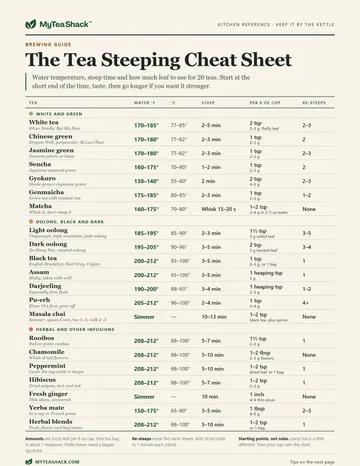
Free printable
The Tea Steeping Cheat Sheet
Water temperature, steep time and how much leaf to use for 20 teas, from sencha to rooibos, on one printable page. Plus five fixes for a bitter cup.