Can White Tea Help With Weight Loss?
What the research says about white tea and weight loss, how it may support metabolism and fat burning, side effects, and how to brew it.
In this guide · 6 sections
White tea won't melt fat on its own, but its combination of caffeine and catechins may give a modest boost to metabolism as part of an overall healthy diet. Here's what the evidence actually supports.
How White Tea May Support Weight Loss
White tea, like other true teas, comes from Camellia sinensis and contains caffeine along with catechins — plant antioxidants, including EGCG (epigallocatechin gallate), that have been studied for their role in fat metabolism.
- Caffeine. Caffeine is a mild stimulant linked to a modest, temporary boost in calorie burning.
- Catechins. Catechins and caffeine together may have a modest effect on body weight, though results vary by product and person, and most of this research is on green tea specifically rather than white tea.
- May support satiety. Some people find that a cup of tea between meals helps curb snacking, which can support weight management indirectly.
- Diuretic effect. Like other caffeinated teas, white tea has a mild diuretic effect, which can reduce water weight temporarily rather than actual fat.
None of this makes white tea a weight-loss treatment — it works best paired with a balanced diet and regular activity, not as a substitute for either.
How Much Caffeine Is in White Tea?
Caffeine content varies widely by type, but an 8-ounce cup of tea generally runs about 14–60 mg, compared with roughly 95–200 mg for the same size cup of coffee — white tea often lands on the lower-to-middle end of that range, though not always dramatically below black tea. To keep caffeine lower, use whole leaf rather than bagged tea, brew at a lower temperature (around 175–185°F), steep for a shorter time, and consider re-steeping the same leaves, since caffeine content drops sharply after the first infusion.
How to Make White Tea for Weight Loss
Basic method
- Heat water to 170–185°F (avoid a full boil, which can scorch the delicate leaves).
- Add 2 teaspoons of white tea leaves per cup and let steep for 4–5 minutes.
- Strain and drink; white tea is best enjoyed plain or with a squeeze of lemon.
Drinking a cup before meals, rather than after, may help more with appetite control, since the caffeine and catechins are on board before you start eating.
Side Effects and Precautions
- Caffeine sensitivity. White tea generally has less caffeine than black tea but can still cause jitteriness, anxiety or trouble sleeping in sensitive people.
- Blood pressure. People with high blood pressure or those on related medication should talk to a doctor before making it a daily habit.
- Pregnancy and breastfeeding. Caffeine crosses the placenta and into breast milk — check with your doctor about a safe daily limit.
FAQ
Does white tea burn belly fat?
There's no tea that targets fat in one specific area. White tea's caffeine and catechins may give a small overall metabolic boost, but real fat loss still comes down to overall diet and activity.
How much white tea should I drink for weight loss?
Most of the research behind tea and metabolism used the equivalent of 3–4 cups a day. More isn't necessarily better, and it means more caffeine too.
Is white tea lower in caffeine than green tea?
Not always — it depends heavily on the specific leaves and how it's brewed. Don't assume white tea is caffeine-free or dramatically lower than other true teas.
The Bottom Line
White tea's caffeine and catechin content may offer a small, real boost to metabolism, but it's a complement to a healthy lifestyle, not a weight-loss shortcut. For more, see our guides to green tea and fat burning and white tea caffeine content.
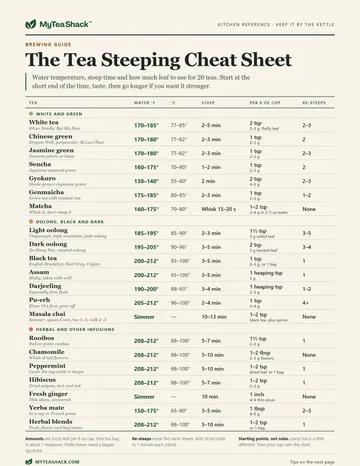
Free printable
The Tea Steeping Cheat Sheet
Water temperature, steep time and how much leaf to use for 20 teas, from sencha to rooibos, on one printable page. Plus five fixes for a bitter cup.