How to Reduce Astringency in Tea: 5 Simple Fixes
Why tea tastes bitter or astringent and five practical ways to make your cup smoother, from steep time to water temperature.
In this guide · 4 sections
Astringency is the dry, puckering, slightly bitter sensation you get from a strongly brewed cup of tea, caused mainly by tannins. A little astringency is normal, especially in black and green tea, but too much usually means something in your brewing process needs adjusting.
What Causes Astringency
Tannins are naturally occurring compounds in tea leaves. The longer and hotter you steep, and the more leaf you use relative to water, the more tannins end up in your cup, and the more astringent it tastes.
5 Ways to Reduce Astringency
1. Don't Oversteep
This is the most common cause of a bitter cup. Keep steep times in check: about 2–3 minutes for green tea, 3–5 minutes for black tea, and check the package for herbal blends (or use our steeping times by tea type). If you like a lighter cup, steep for less time rather than using less leaf.
2. Watch Your Water Temperature
Water that's too hot pulls more tannins out of delicate teas. Use just-off-the-boil water (around 175–185°F / 80–85°C) for green and white teas, and reserve a full boil for black tea and most herbal infusions.
3. Adjust the Leaf-to-Water Ratio
Using too much tea for the amount of water will make the brew stronger and more astringent even within a normal steep time. Start with about 1 teaspoon of loose leaf per cup and adjust from there.
4. Add a Splash of Milk or a Squeeze of Lemon
Milk proteins bind to some of the tannins and soften the bitter edge, which is one reason milk is traditional with strong black teas. A squeeze of lemon can brighten a green tea's flavor and mask mild bitterness, though it changes the taste profile rather than removing the tannins.
5. Blend in Complementary Spices
Adding a small amount of cardamom, cinnamon, fennel or clove can round out a bitter cup by adding sweetness and aroma that balance the tannins, rather than trying to cover them up.
FAQ
Is astringent tea bad for you?
No, astringency itself isn't a health concern; it's just a taste and mouthfeel from tannins. Very strong tea on an empty stomach can cause mild stomach discomfort for some people, so pairing it with food can help.
Does milk really reduce bitterness in tea?
Yes, milk proteins bind to tannins and soften the sharp, dry taste, which is part of why milk is traditional in strongly brewed teas like English Breakfast and Assam.
Why does my green tea always taste bitter?
It's almost always water that's too hot or a steep that's too long. Try cooler water (around 175°F) and a shorter 2–3 minute steep.
The Bottom Line
Astringency comes down to tannins, and tannins come down to steep time, water temperature and leaf ratio. Adjust those three variables first before reaching for milk, lemon or spices to fix a bitter cup. For more brewing basics, see how to brew herbal tea and what does it mean for tea to steep.
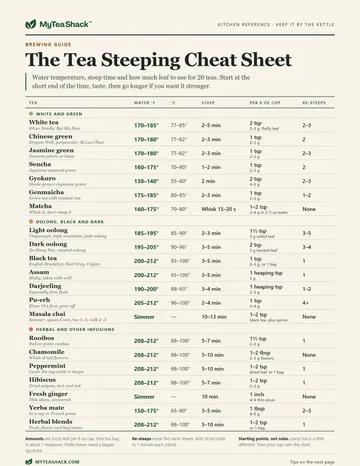
Free printable
The Tea Steeping Cheat Sheet
Water temperature, steep time and how much leaf to use for 20 teas, from sencha to rooibos, on one printable page. Plus five fixes for a bitter cup.