Tannin in Tea: Benefits, Side Effects and What to Know
Tannins give tea its color and slightly dry, bitter taste. Learn what they do in the body, their possible benefits, and how much is too much.
In this guide · 6 sections
Tannins are naturally occurring plant compounds responsible for tea's slightly dry, astringent taste and much of its color. Darker teas like black tea generally contain more tannins than lighter ones, and "true" teas — green, oolong, and black — tend to have higher tannin levels than most herbal infusions.
What Are Tannins?
Tannins are a type of polyphenol. You can recognize them by the slightly dry, puckering sensation they leave on your tongue and gums — the same sensation you get from red wine or unripe fruit. That sensation fades as the outstanding sweetness of a drink increases, which is one reason milk or sugar can make strong tea taste smoother.
Potential Benefits
Antioxidant Activity
Like other polyphenols, tannins have antioxidant properties, meaning they can help neutralize free radicals in the body. This is part of why tea in general is associated with various health benefits.
Oral Health
Some research suggests tannins may help inhibit the bacteria responsible for bad breath and, to a lesser extent, cavities — one reason unsweetened tea is sometimes recommended over sugary drinks.
Digestive Support
Tannins have astringent properties that may help firm up loose stools, which is part of why some traditional remedies for mild diarrhea include strong black tea. They may also support gum and mucous membrane health due to mild antiseptic effects.
Side Effects and Precautions
- Iron absorption: Tannins can bind to non-heme iron (the type found in plant foods) and reduce how much of it your body absorbs, an effect documented in human studies going back decades. If you're iron-deficient or vegetarian, avoid drinking tea with meals and limit intake to around 3–4 cups a day.
- Digestive sensitivity: In large amounts, tannins can cause stomach discomfort, nausea, or constipation, especially in people with gastritis or a gastric ulcer.
- Very high doses: Consuming tannins in excess (well beyond typical tea consumption) has been linked to digestive upset and reduced nutrient absorption. Normal tea drinking — a few cups a day — is not a concern for most healthy adults.
- Medication interactions: If you take iron or certain other supplements, space them at least an hour apart from tea.
Which Teas Have the Most Tannins?
Generally, from highest to lowest:
| Tea type | Relative tannin level |
|---|---|
| Black tea | Highest |
| Oolong tea | High |
| Green tea | Moderate |
| White tea | Lower |
| Herbal infusions | Lowest (varies widely) |
Brewing time and temperature also matter — longer steeps and hotter water pull more tannins out of the leaves, which is part of why over-steeped tea tastes more bitter. For more on how tea types compare, see our black tea vs. green tea guide or browse the different types of green tea.
FAQ
Are tannins bad for you?
Not in normal amounts. Tannins have antioxidant properties, and the main downside for most people is reduced iron absorption if tea is consumed with meals.
How can I reduce the tannin taste in my tea?
Steep for a shorter time, use slightly cooler water, or add a splash of milk, which binds to some tannins and softens the astringent taste.
Do herbal teas have tannins?
Some do, but generally in much smaller amounts than true teas like black or green tea, since herbal infusions come from different plants.
The Bottom Line
Tannins are a normal, mostly beneficial part of tea's chemistry — they contribute antioxidants along with tea's characteristic color and dry taste. The main thing to watch for is iron absorption if you're anemic; otherwise, a few cups of tea a day is a non-issue for most people.
This post may contain affiliate links. If you buy through them, we may earn a small commission at no extra cost to you.
Free printable
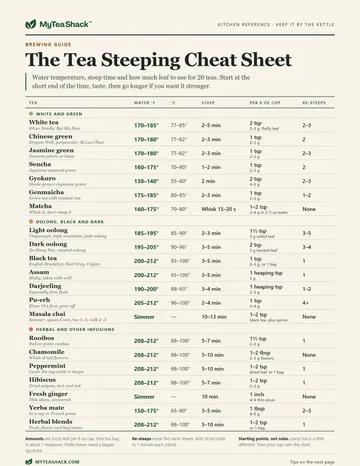
The Tea Steeping Cheat Sheet
Water temperature, steep time and how much leaf to use for 20 teas, from sencha to rooibos, on one printable page. Plus five fixes for a bitter cup.