Iced Tea: What It Is, Benefits, Side Effects and How to Make It
What iced tea is, its potential benefits and side effects, and how to brew a well-balanced glass at home.
In this guide · 6 sections
Iced tea is simply tea brewed hot, then served cold or over ice. It's one of the most popular ways to drink tea in the United States, especially in summer, and it offers many of the same potential benefits as hot tea in a more refreshing form.
What Is Iced Tea?
Iced tea can be made from any type of tea — black, green, herbal, or a fruit blend — brewed as usual and then chilled. Its exact origins are debated, but tea has been grown and consumed in the southeastern United States since French explorer André Michaux introduced tea plants to South Carolina in the 18th century, and iced tea recipes appear in print by the late 1800s.
Potential Benefits of Iced Tea
- Hydration: iced tea helps replace fluids on hot days, especially varieties with mint, citrus, or berries, which many people find extra refreshing.
- Antioxidants: like hot tea, iced tea retains antioxidants that may help protect cells from oxidative stress.
- Vitamins and minerals: depending on the blend, iced tea can provide small amounts of B vitamins, vitamin C, potassium, and magnesium — fruit-based iced teas with orange, red fruit, or pineapple add more of these.
- May support digestion: some iced teas, like green tea with lemon, contain compounds that can support digestive comfort for some people.
- A lower-sugar alternative: unsweetened iced tea is a good swap for soda, since it's naturally low in calories. Bottled and fountain versions are a different story: many contain more added sugar than a can of soda and offer little of the antioxidant benefit of a home-brewed glass.
- May support skin health: antioxidants in tea are associated with reduced signs of oxidative skin aging, though a glass of iced tea is a complement to sun protection and skincare, not a replacement for it.
- Early research links tea to brain and heart health: some lab studies suggest compounds in green and black tea may help protect brain cells, and population studies associate regular tea drinking with a lower risk of heart attack and stroke. Both are preliminary or associational findings, not proof that tea alone prevents disease.
Iced Tea Side Effects
Iced tea made from true tea (black, green, oolong) contains caffeine, which isn't suitable for everyone. Drinking too much can lead to:
- Rapid heartbeat or heart palpitations
- Anxiety or nervousness
- Trouble sleeping
- Reduced iron absorption if drunk with meals
Black tea also contains oxalate, and oxalate-rich foods and drinks are one of the recognized risk factors for calcium oxalate kidney stones. Moderate intake, a few cups a day, isn't associated with meaningful risk for most people; it becomes more of a concern with very high, sustained daily intake or in people who already form oxalate stones. If you have a history of kidney stones, ask your doctor about a safe amount.
People with heart conditions, irritable bowel syndrome, ulcers, or anxiety disorders should be mindful of their caffeine intake and check with a doctor about a safe amount. Most healthy adults can enjoy 1–3 cups of tea-based iced tea a day without issue; herbal iced teas are naturally caffeine-free and a good option if you want to avoid caffeine altogether.
How to Make Iced Tea
- Use good-quality loose-leaf or bagged tea rather than the lowest-grade bags, which brew a weaker, flatter flavor.
- Brew it stronger than you would for a hot cup, since adding ice will dilute it.
- Steep for the recommended time for your tea type, then let it cool briefly before pouring over ice — oversteeping leads to a bitter, unpleasant cup.
- Add lemon, mint, or fruit for extra flavor, and sweeten to taste if desired.
There are two main approaches: the double-strength method above, where you brew tea at roughly twice the normal concentration so melting ice doesn't water it down, or the cold-steep method, where you brew at normal strength, let it cool, then refrigerate until cold (sometimes called "cold tea" rather than true iced tea).
Classic recipe: steep 4–5 black tea bags and a couple of strips of lemon peel (avoiding the bitter white pith) in 300 ml hot water for the time on the package. Remove the bags and peel, stir in 700 ml cold water plus honey or sugar to taste and sliced lemon, then chill a couple of hours before serving over ice. For a fruitier version, add pineapple, orange, peach or berries, or infuse with mint or rosemary while steeping.
One of the most popular flavored iced teas is peach; here's whether peach tea is good for you.
FAQ
Is iced tea good for you?
Unsweetened iced tea can be part of a healthy routine, offering hydration and antioxidants with fewer calories than soda. Watch caffeine intake if you're sensitive to it, and be mindful that sweetened iced tea adds sugar.
How much caffeine is in iced tea?
It depends on the tea used — Mayo Clinic lists roughly 30–50 mg of caffeine per 8-ounce cup of brewed black or green tea, and a glass of iced tea made the same way falls in a similar range, while herbal iced tea has none.
Does iced tea count toward hydration?
Yes, iced tea contributes to your daily fluid intake, though very high caffeine intake can have a mild diuretic effect for some people.
Can I make iced tea without caffeine?
Yes — herbal teas like hibiscus, mint, or fruit blends make naturally caffeine-free iced tea.
How long does homemade iced tea last in the fridge?
Homemade iced tea is best within 2–3 days. Store it in a clean, airtight container — glass is better than plastic since it won't pick up odors.
What's the best sweetener for iced tea?
Honey is a popular natural sweetener that dissolves easily and adds a rounder flavor than plain sugar, though it's still a source of sugar and calories, so use it in moderation.
Can drinking too much iced tea hurt your kidneys?
Very high, sustained intake of black tea, well beyond typical daily drinking, has been linked to kidney stones in case reports because of its oxalate content. Moderate intake isn't a concern for most healthy people. See our guide on green tea and kidney stones for more detail.
The Bottom Line
Iced tea is a refreshing, customizable way to enjoy tea's potential benefits, especially in warm weather, as long as you're mindful of caffeine if you're sensitive to it and keep it mostly unsweetened. For more seasonal ideas, see our guide to thai iced tea, or check how long iced tea lasts in the fridge to keep your batch fresh.
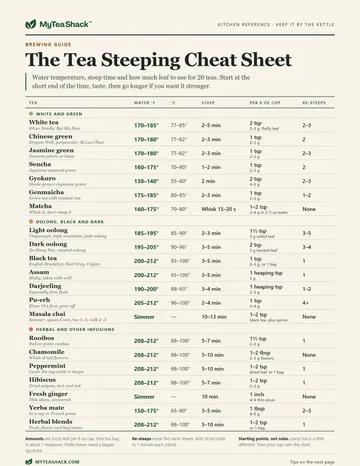
Free printable
The Tea Steeping Cheat Sheet
Water temperature, steep time and how much leaf to use for 20 teas, from sencha to rooibos, on one printable page. Plus five fixes for a bitter cup.